Highlights
Best moments
- Catching my first fish at Wreck Rock, even if breakfast was still not exactly a full meal.
- The sunset and dinner at 1770 after the cancelled cruise.
- Driving Roger over Big Sandy without getting close to stuck.
Failures
- First catching a piece of wood instead of a fish.
- Losing two fishing rigs, either to stones or to monster fish, depending on who tells the story.
- Waiting too long for coffee in Yeppoon and then paying too much for bread and croissants.
Notes from the road
- A leaking tyre valve core can be fixed in two minutes if you find the right person.
- Fishing becomes more interesting very quickly once you actually catch something.
- Big Sandy looks scarier from the bottom than it feels once Roger is doing the work.
- Mosquitoes and sandflies are now a proper part of the trip.
The first thing I caught at Wreck Rock was a piece of wood.
It was heavy enough to make me believe something interesting was happening on the line, but not useful enough to become breakfast. The actual first fish came later.
Before any of that, we had one quiet night at Burrum Heads behind us, and Wreck Rock ahead of us. Bundaberg was the stop on the way.
Bundaberg
Bundaberg is known for rum and ginger beer. Because it was still morning, and because we had to keep driving, we only had a quick look at the rum distillery and then chose the ginger beer tour instead. We thought that was the more sensible option, at least officially.
The tour was actually fun. We tasted a lot of flavours that you normally do not see in the big supermarkets. It is still sugar water, unfortunately, but the variety was good and the twelve bottles included in the tour were not a bad deal. Later we also discovered that Bundaberg ginger beer works very well with gin and we are definitely becoming fans.
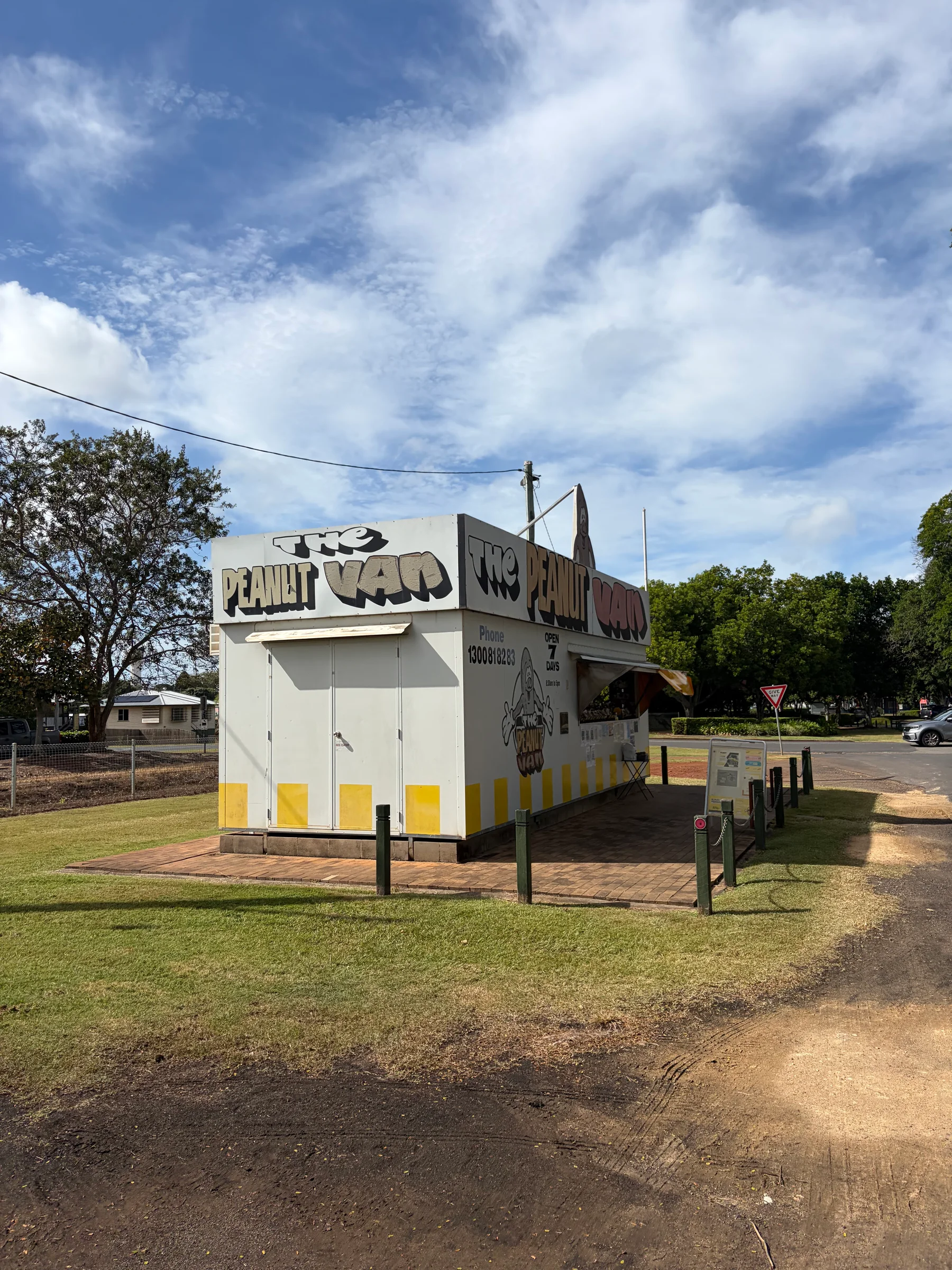
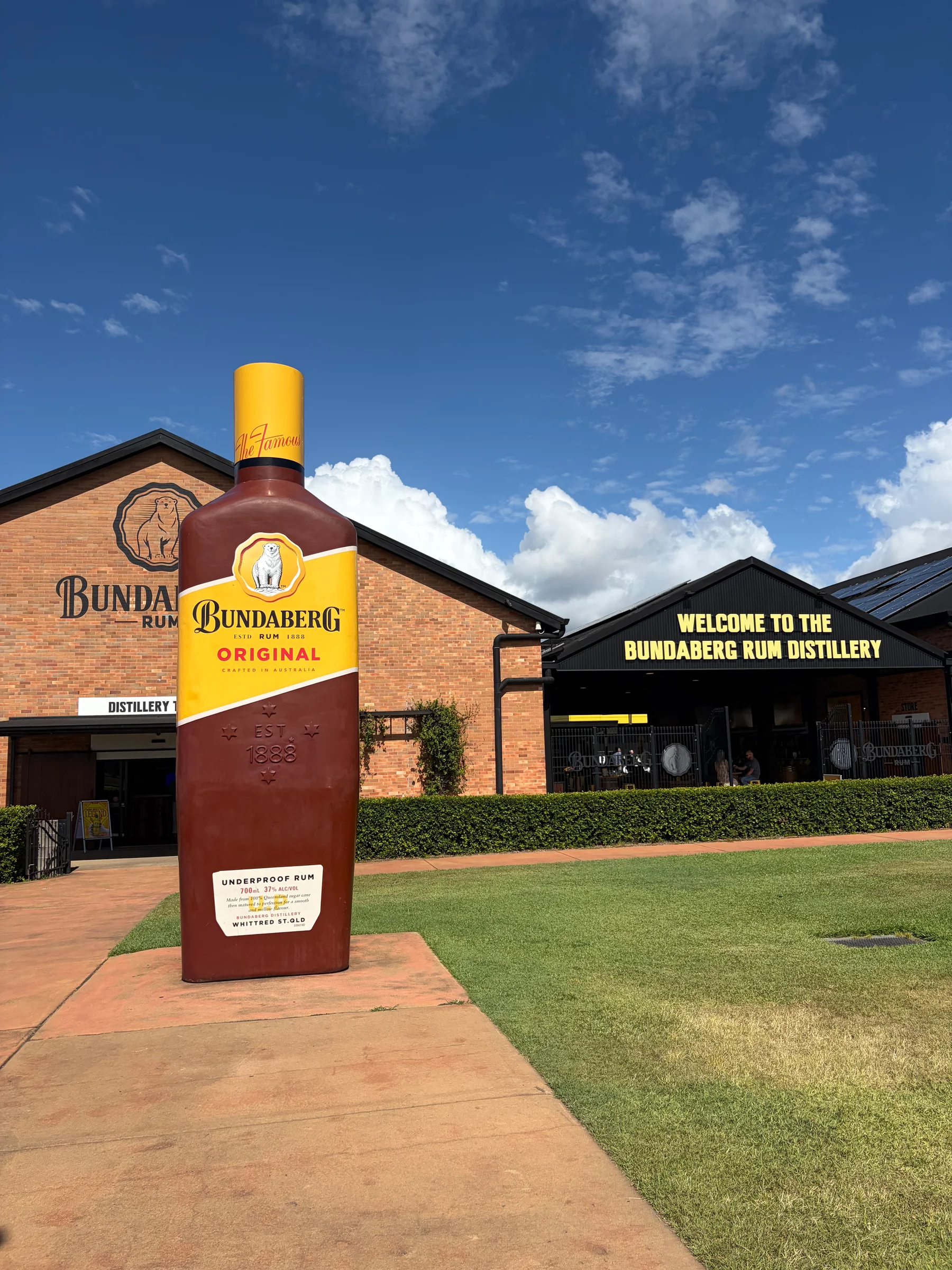
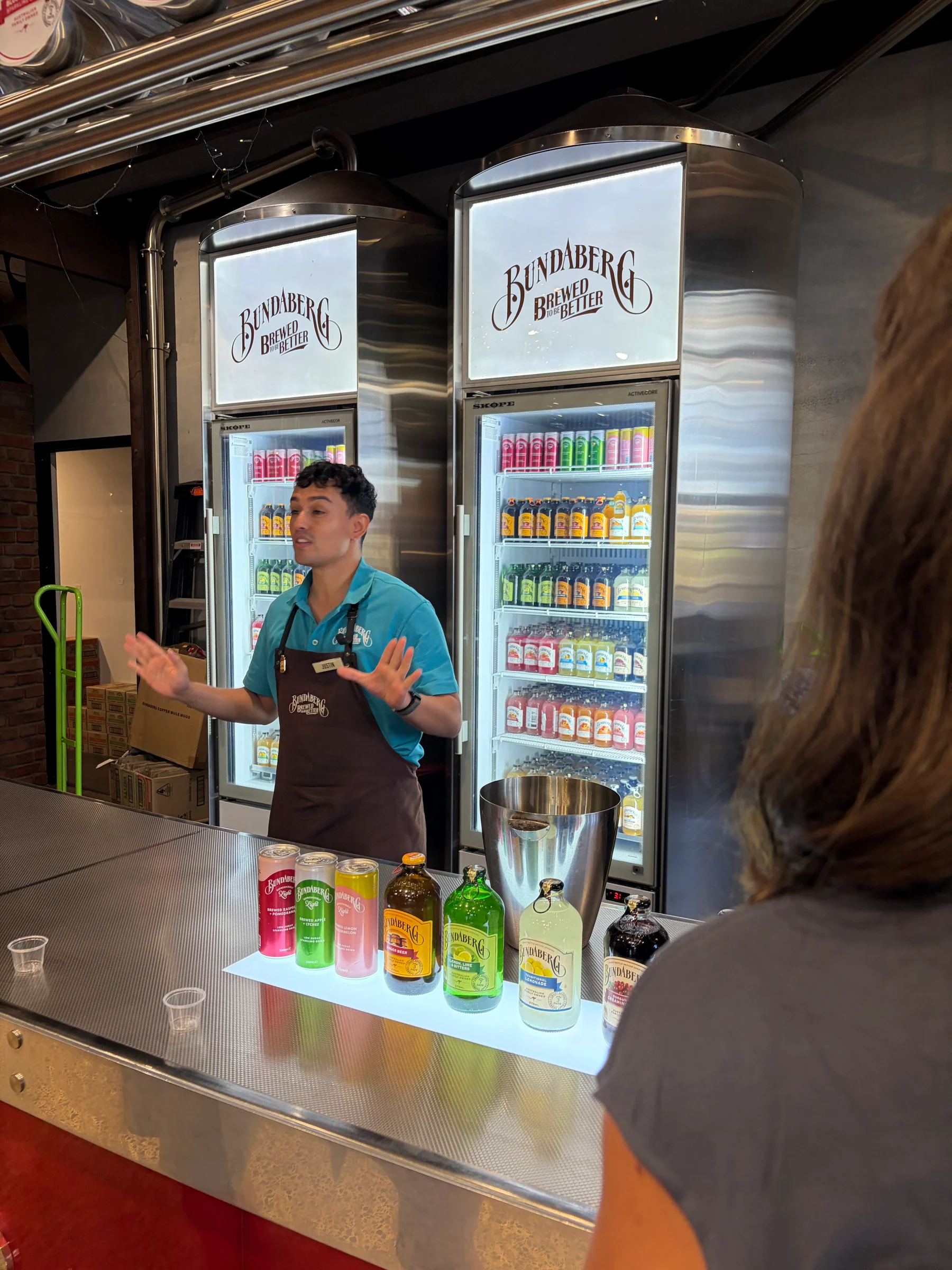
The more important stop was at the Bridgestone workshop.
For a long time one of our tyres had been slowly losing pressure overnight. Not enough to cause a full drama, but enough that it was annoying. It meant that some mornings started with checking pressure, finding the same tyre low again, then getting the compressor out before we had even started the day.
My dad had suggested a simple bubble trick: put a bit of spit or soapy water on the valve and see if it bubbles. It did. Luckily it was not a puncture. It was only the valve core.
The guy at Bridgestone replaced it in about two minutes at no cost.
That was one of the best small fixes of the trip so far. The tyre held pressure after that, and we were very happy not to start each morning with the air pump.
We had also planned to visit the turtle centre, but noticed too late that it closed at 2pm. By the time we figured this out, it did not feel worth rushing. Instead, the discovery of the day became The Lettuce Patch, a hydroponic farm.
I have been interested in hydroponic systems for a while now. We even had a tower at our place, where we grew lettuce and herbs on the balcony and sometimes in the garage. So finding a place like that unexpectedly was super interesting. We bought very fresh lettuce and other produce. We also found a local butcher, where Steph even commented that it smelled good because they were smoking sausages inside. Usually she would not be very keen to walk into a butcher at all, so that was a good sign.
Stocked with ginger beer, fresh lettuce, meat and a tyre that finally behaved, we continued towards Wreck Rock. It was still around one and a bit to drive, and we did not want to arrive at the national park too late.
Wreck Rock
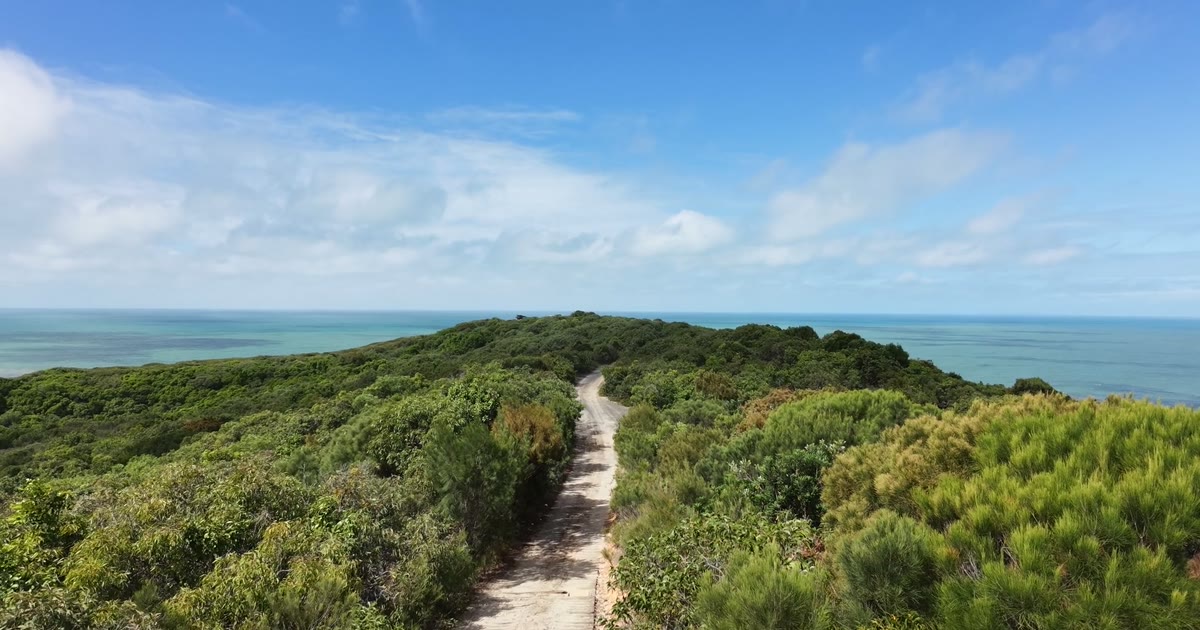
Wreck Rock is in Deepwater National Park, south of Agnes Water. The campground listings mentions that high-clearance 4WD are highly recommended and the place is not suitable for caravans. The road was not too bad at all when we drove in. We still saw 2WD campers and caravans around, which is usually a sign that the written warning and the real condition can be two different things on a dry day.
The campground was not busy. A few people were around, but it felt calm. We picked the spot furthest away from the amenities, which meant a longer walk to the drop toilet but much more privacy. That was worth it.
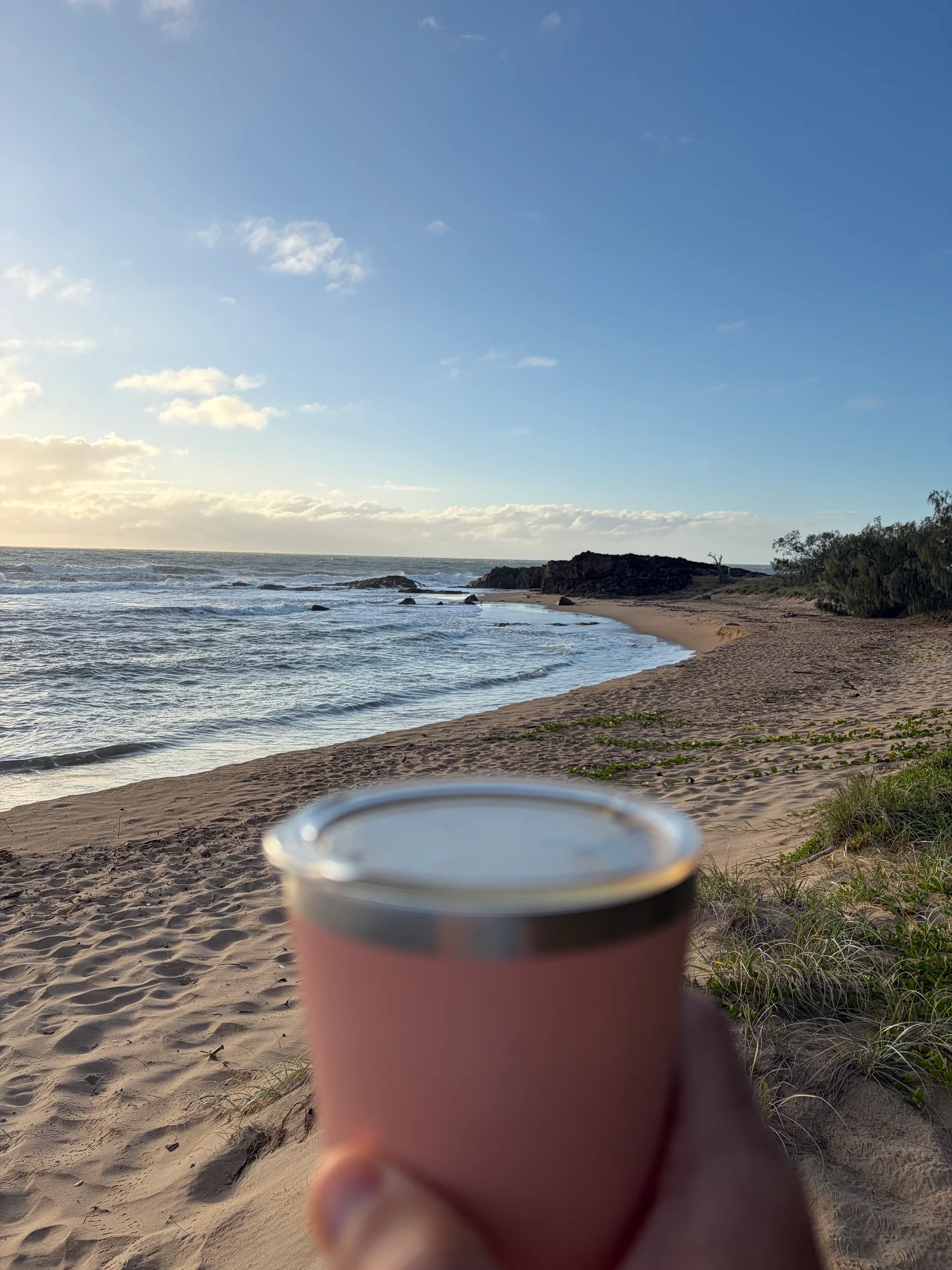
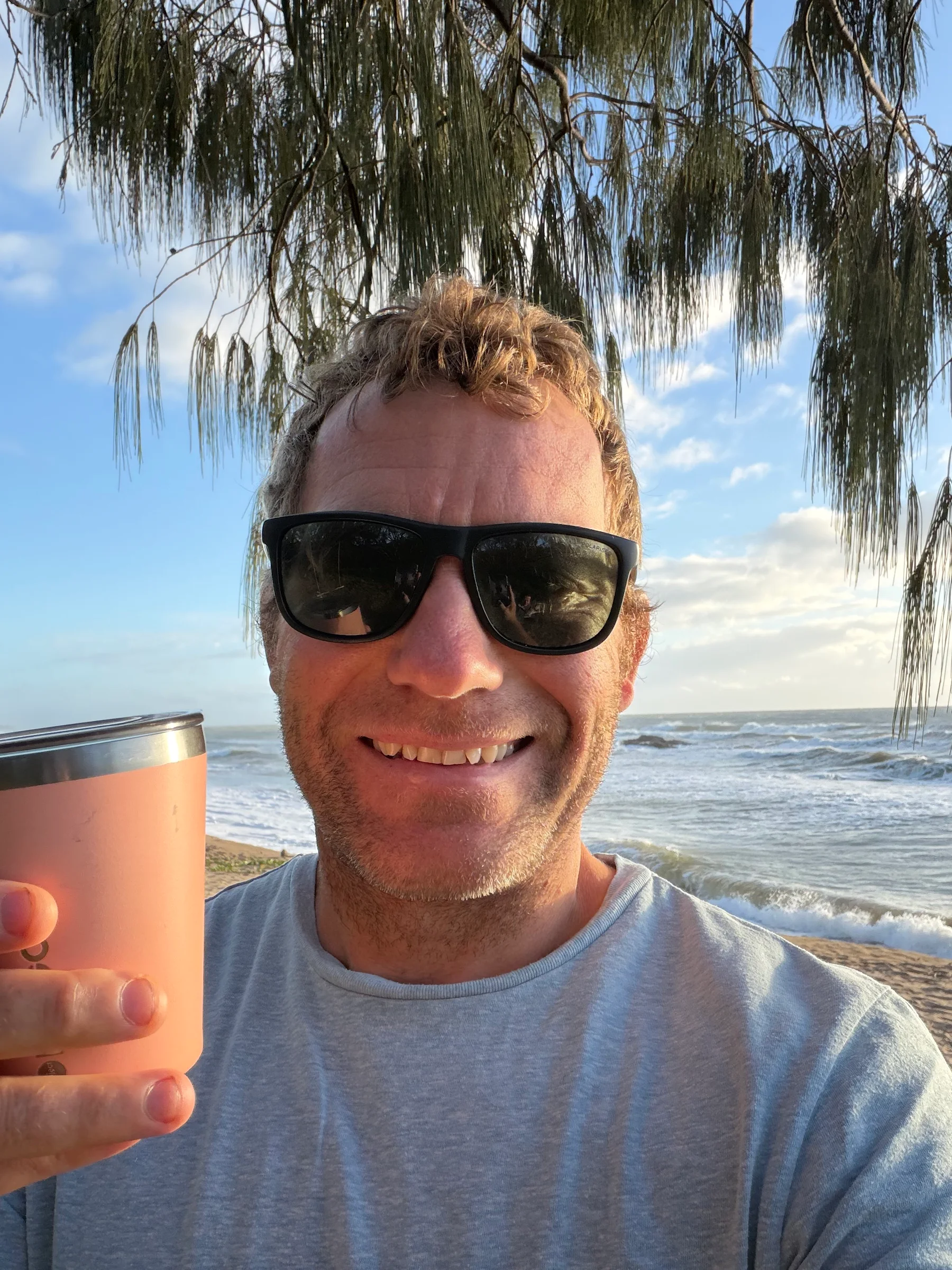
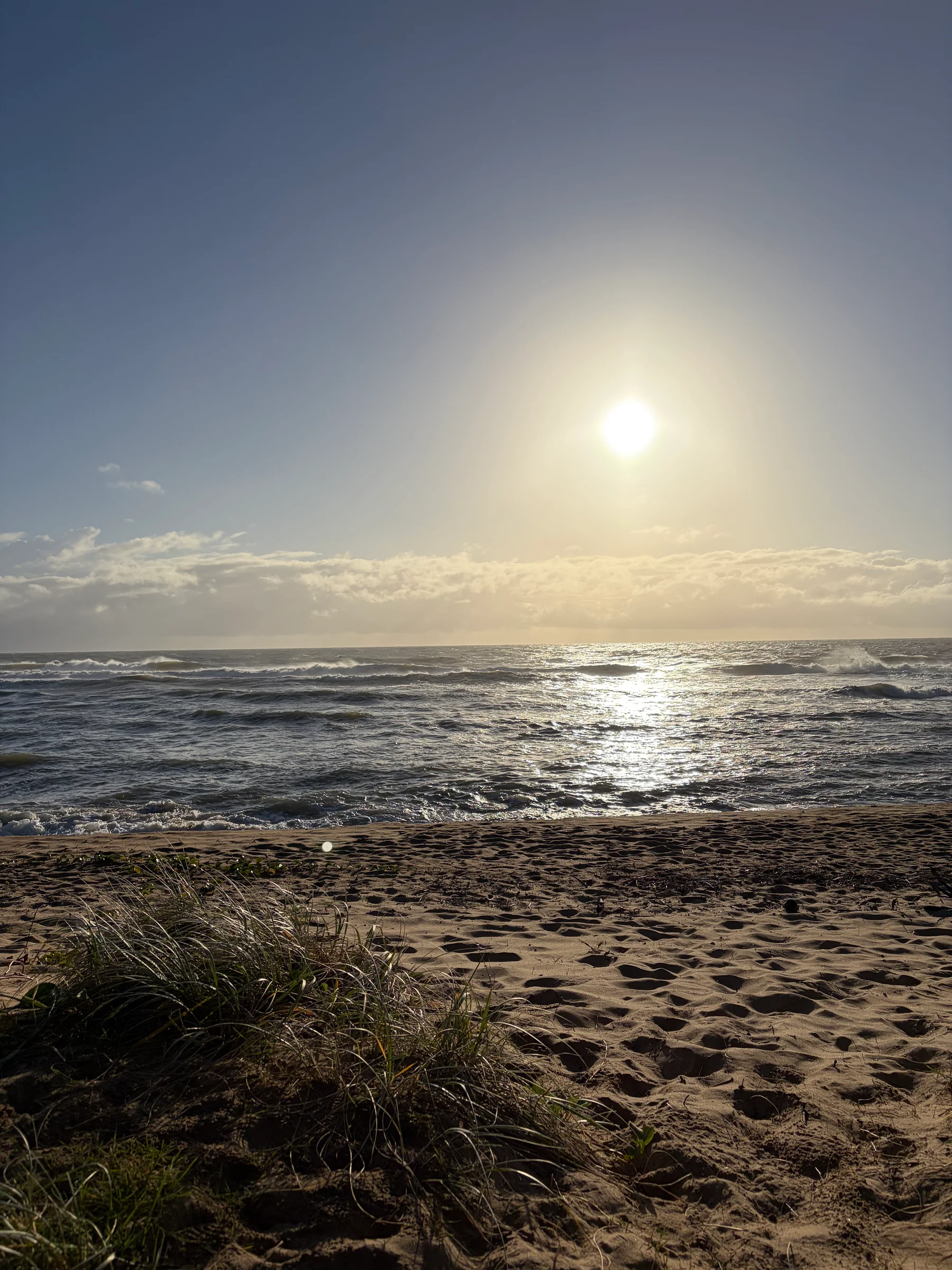
The best part was the site was sheltered. Only a few metres away, the beach was super windy, but at camp we hardly felt it. The trees and dune line did their job. We loved the spot.
It was not really a swimming beach for us. Some people did go in, but by this point we were already thinking more about jellyfish, currents and everything else that comes with moving further north. The water did not look bad, but it also did not invite us in the same way as the clear beaches further south.
It was still an excellent place to sit, look at the ocean and just be there for a while. We were both very aware that being able to do this together was not a normal weekday.
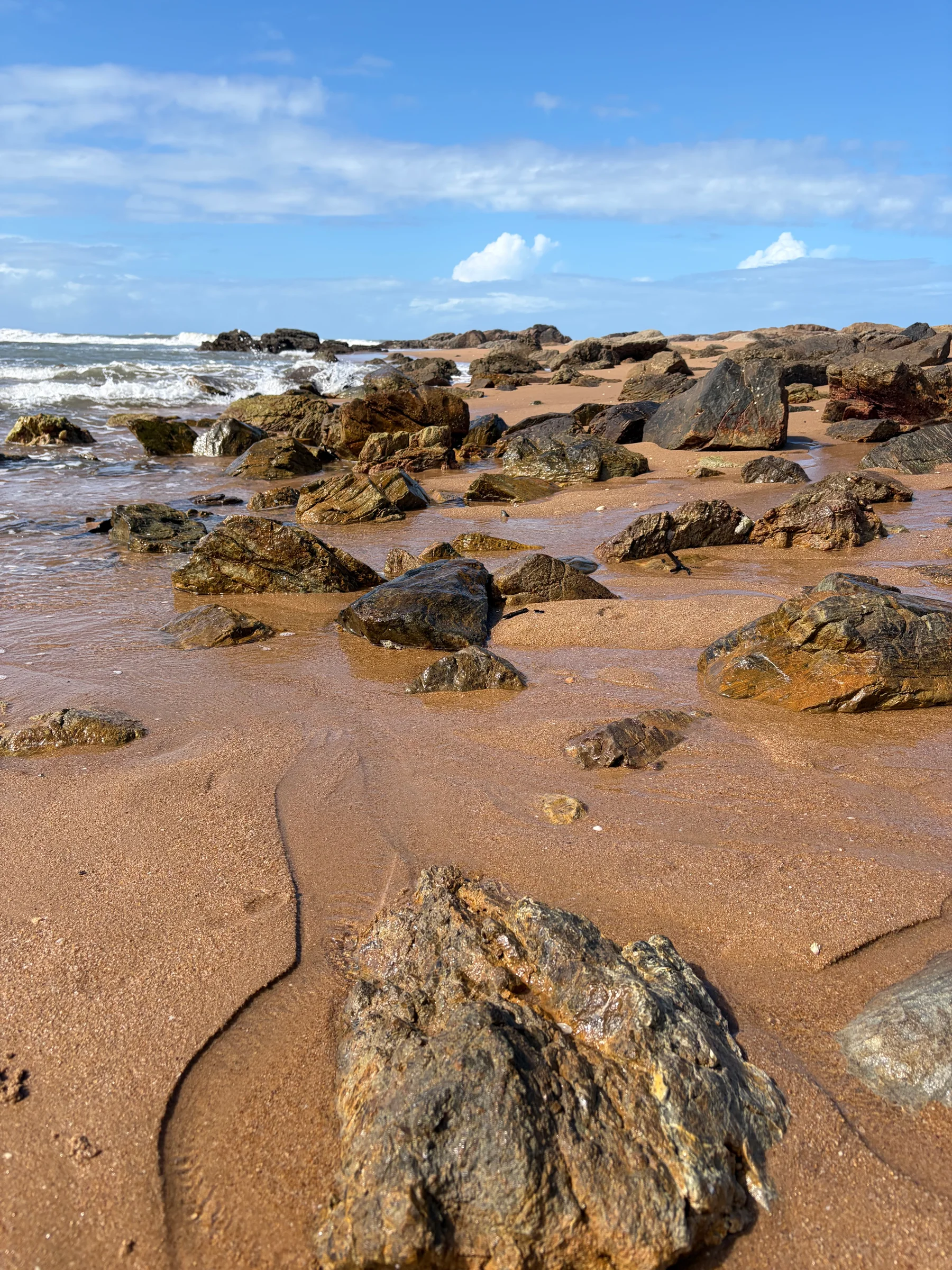
That evening felt very pleasant. Not spectacular in a dramatic way. Just a quiet national park camp, sheltered from the wind, with the beach close enough to hear and enough space around us.
First Fish
This time we bought bait. At Teewah we had used pipis from the beach, and the fish had mostly stolen them. On the way to Wreck Rock we had bought frozen prawns. After the piece of wood, I could feel some proper bites. Then Steph left for a toilet break, and of course that was the exact moment I caught my first fish.
It was an ocean dart.
I was properly excited. Maybe too excited for the size of the fish, but that is how it works when something finally happens after all the theory and failed attempts. I could immediately see how catching one fish makes you want another one.
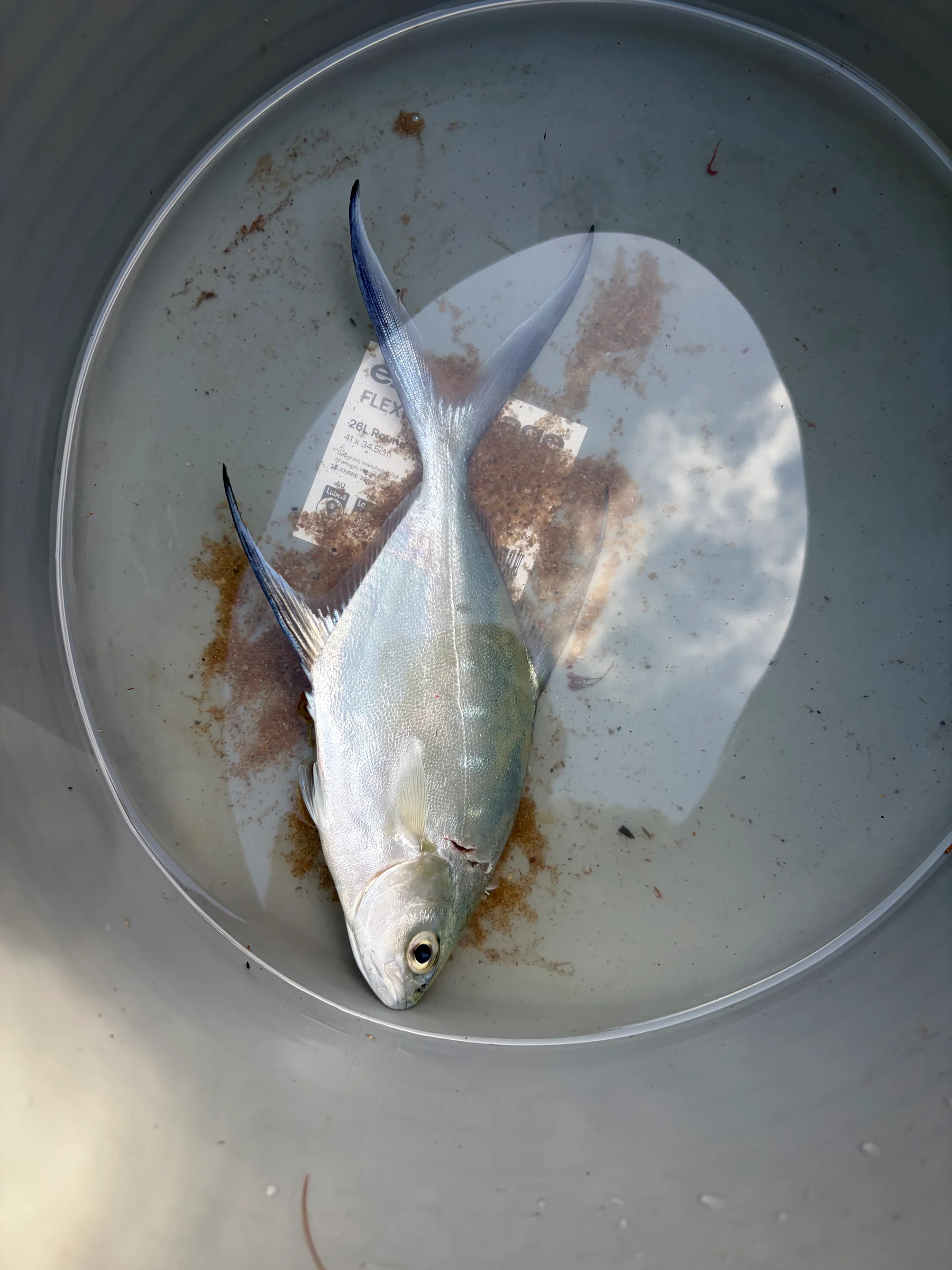
Then came the next part of the learning process: how to get the fish from the hook, how to kill it properly, how to fillet it, and how not to look completely helpless while doing all of that. We did look helpless, to be clear. But we managed.
I caught another dart, even smaller than the first one, so we released it. Then I caught a small colourful fish, which we also released. For a few minutes it felt like we had worked out fishing.
Then it stopped.
I probably used pieces of prawn that were too large. Smaller pieces may have worked better. At the end of the session I lost the two-hook ledger rig in the ocean. I still do not really know what happened. Steph’s version is that it got caught on a stone. My preferred version is that a very large fish took it and ripped everything apart.
Once the bait was gone, we at least had one dart to cook for breakfast. It was not a full meal. I probably paid more for the bait than the fish was worth. But it tasted fantastic and not just because it was the first one.
Later in the afternoon I tried again with fish scraps as bait and lost another running rig. Same two possible explanations. Big fish or stones. I am keeping both options open.
We did not catch dinner that day, but it did not feel like complete failure. Ocean fishing is enjoyable even when not much happens. You stand there with the waves in front of you, watch the line, check the water, and maybe there is a chance you catch food. We were out there for a while.
Agnes Water and 1770
On Wednesday we drove towards Agnes Water and 1770.
The plan was to do a sunset cruise at 1770, and we were both looking forward to it. But first we stopped at the lookout near the Agnes Water visitor centre and had breakfast there. Agnes Water and 1770 almost feel like one place when you move between them, even though they have different names and slightly different vibes.
The visitor centre was again a good stop. The ladies there were friendly, welcoming and helpful, as they often are in these regional visitor centres. We then continued to the headland and the Bustard Bay lookout.
The view was excellent.
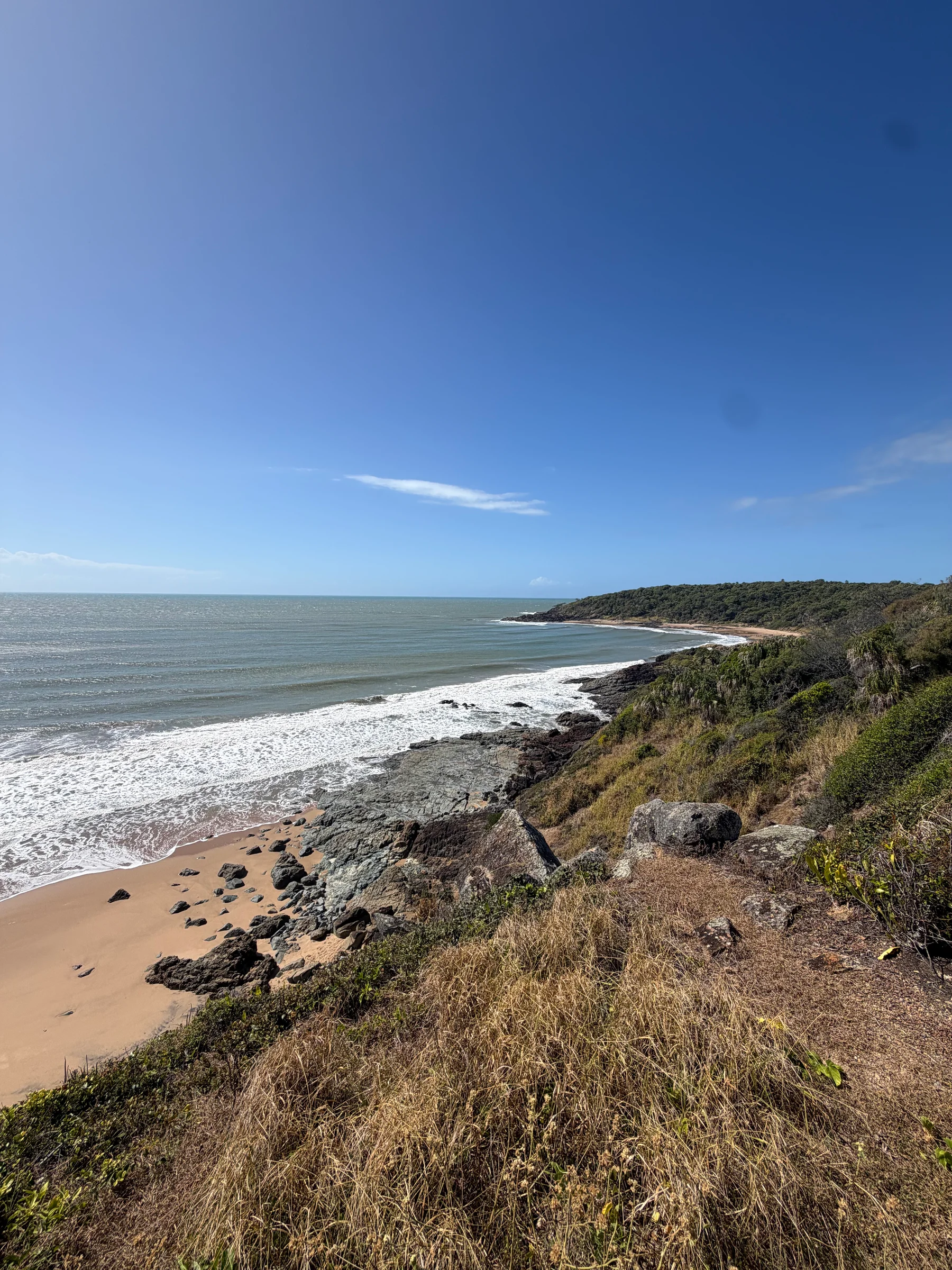
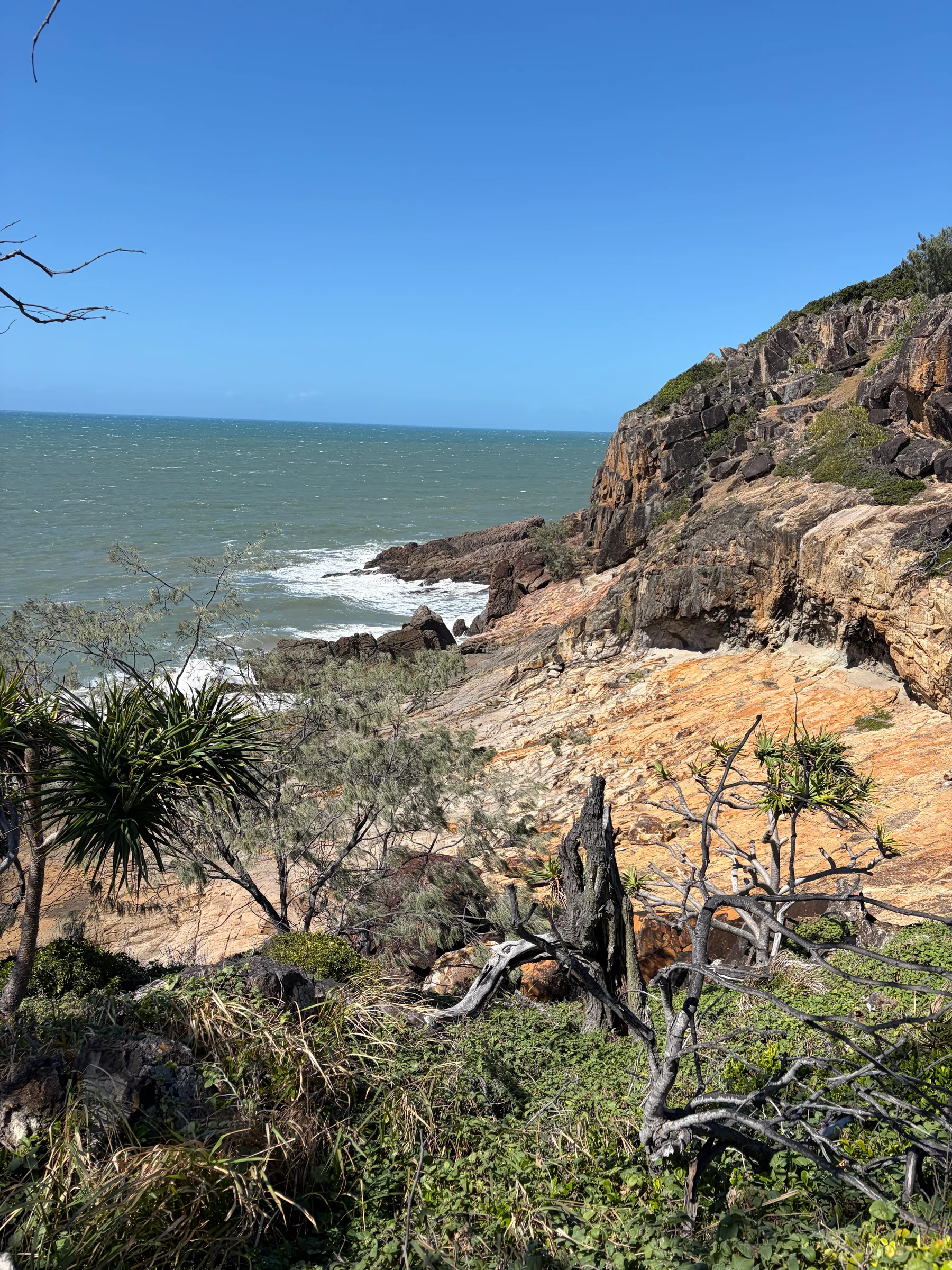
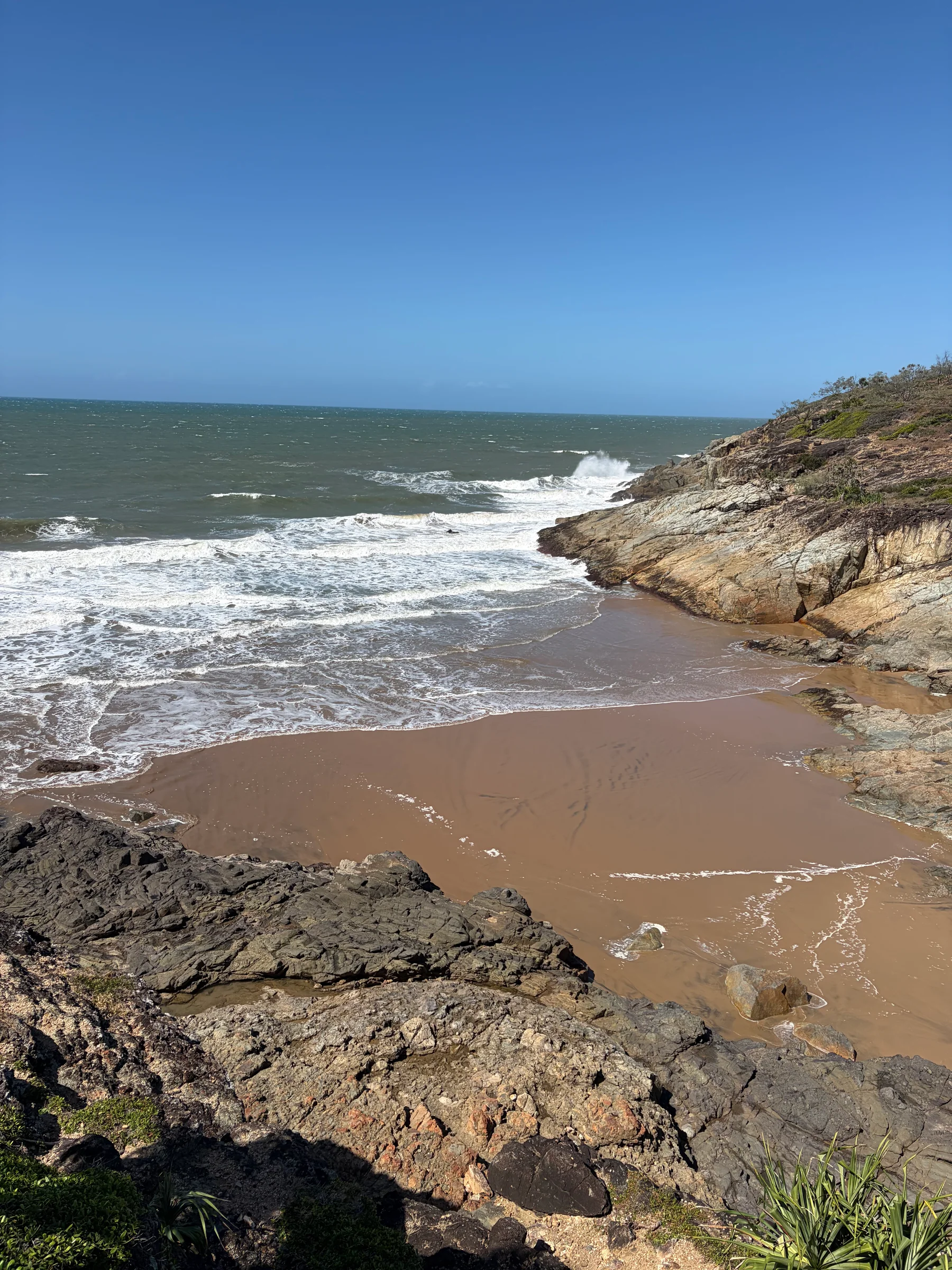
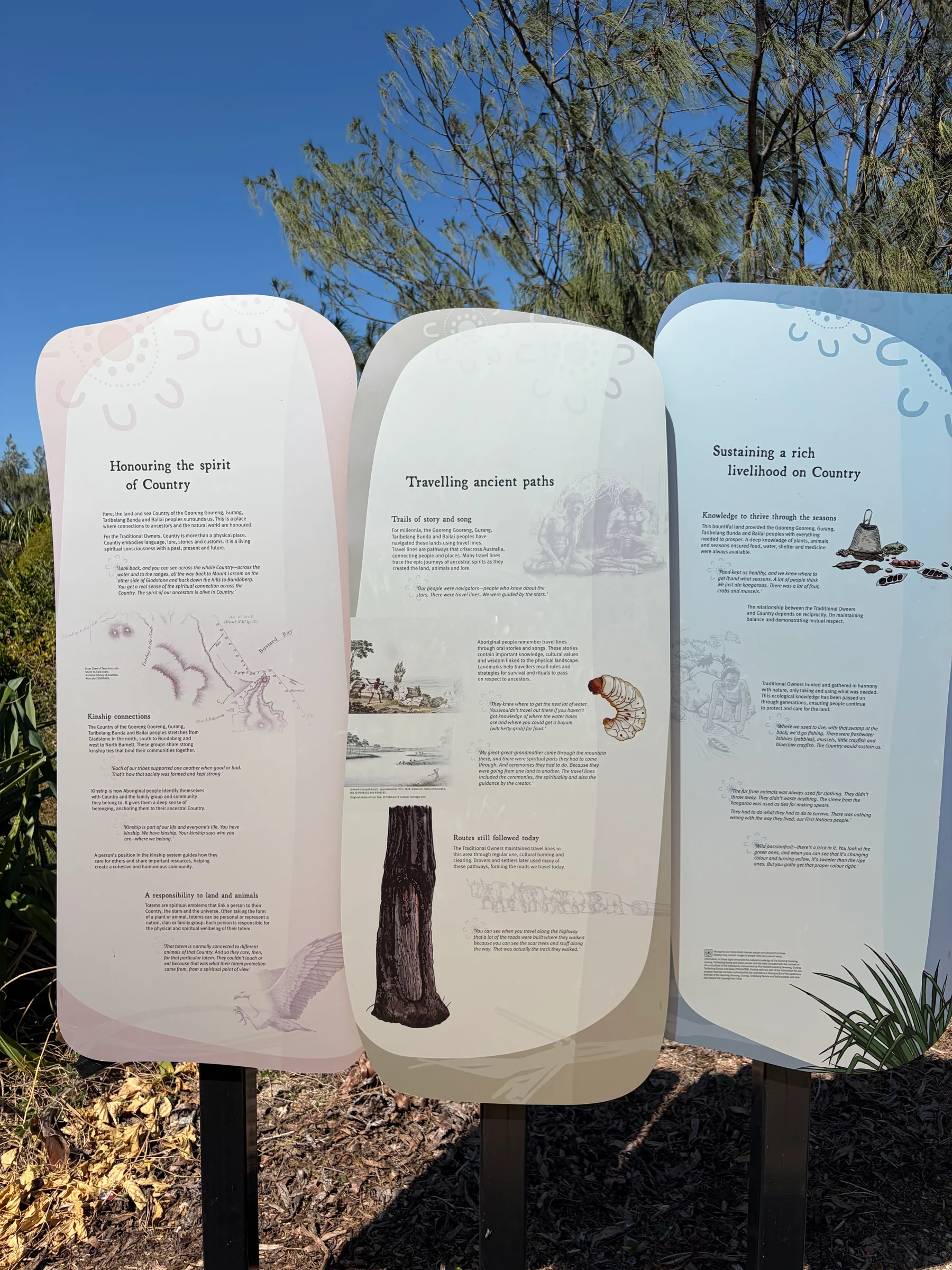
The town of 1770, officially Seventeen Seventy, has one of the more unusual place names in Australia. It is named after the year James Cook landed in the area during his east coast voyage. That little bit of history is visible in the name, but the place itself felt more like a quiet coastal holiday town than a history stop.
Someone told us the area was like Byron Bay many years ago. I can see what they meant. Not because it is the same, but because it still has a softer, less polished feeling. Agnes Water is also often described as the most northerly surf beach on Australia’s east coast. North of there, the coastline changes, and crocodile and stinger considerations start to become much more present.
We stayed at Captain Cook Holiday Village, which has its own access to the beach. You can take a 4WD track down, but we decided to walk.
Then the cruise company let us know the sunset cruise would not go ahead because they did not have enough bookings.
That was disappointing.
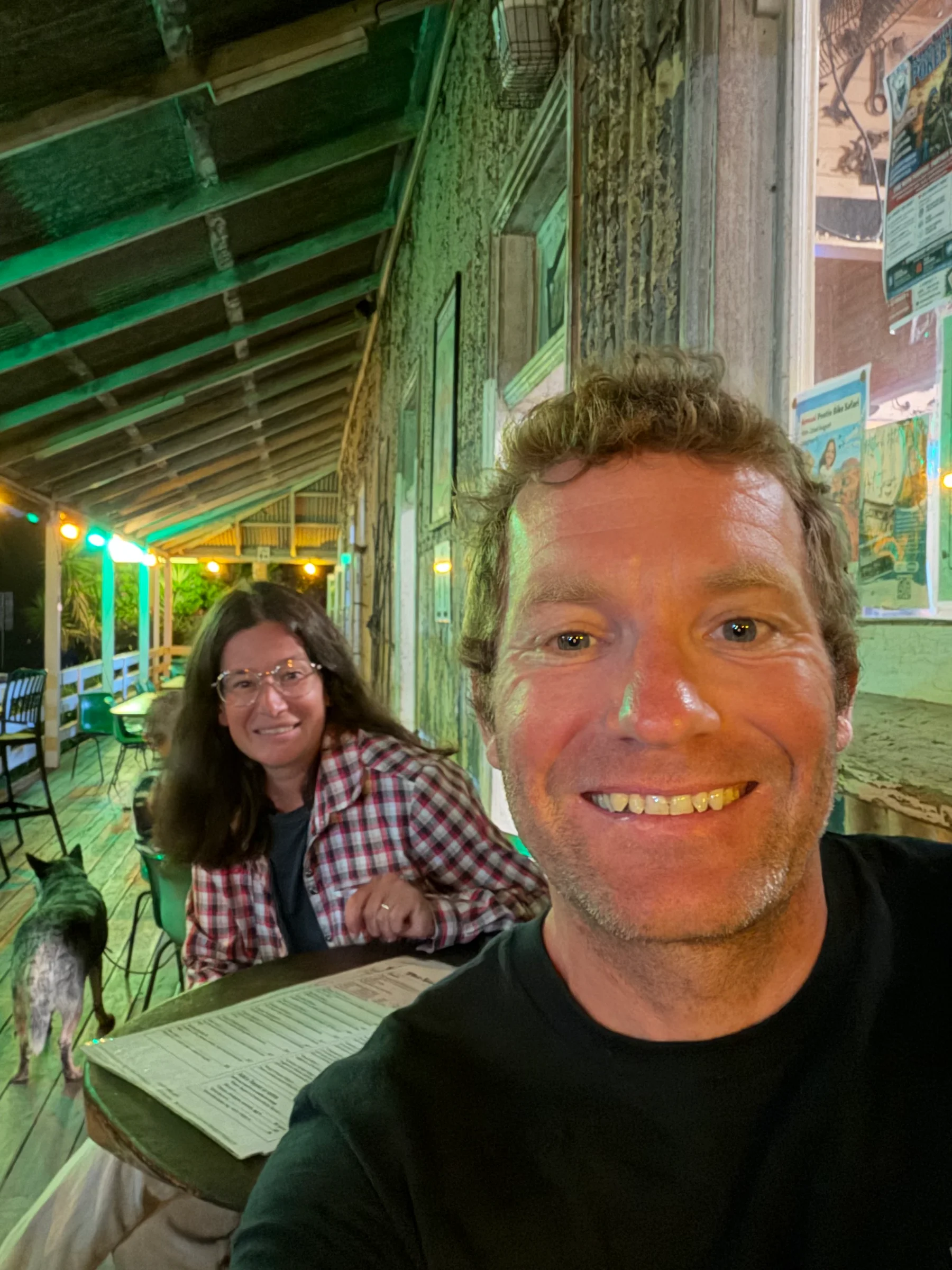
We used the time instead for a run, then still watched a very nice sunset from the marina. After that we had dinner at Barraca by the Sea. It was BYO, so we brought a bottle of wine, we are still on our mission to drink up all wine before hitting Arnhem Land. The food was excellent and the evening still was amazing, even without the cruise.
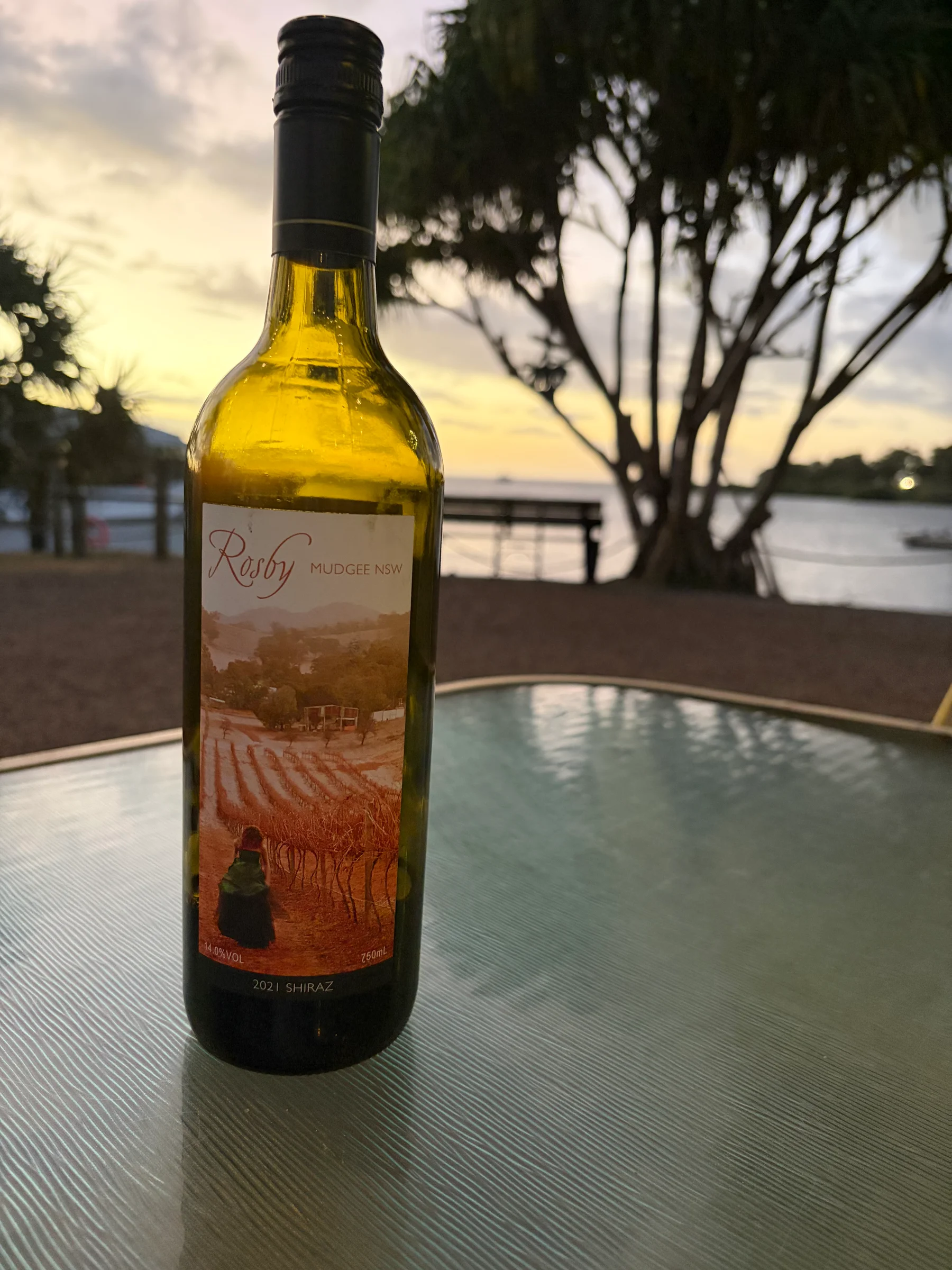
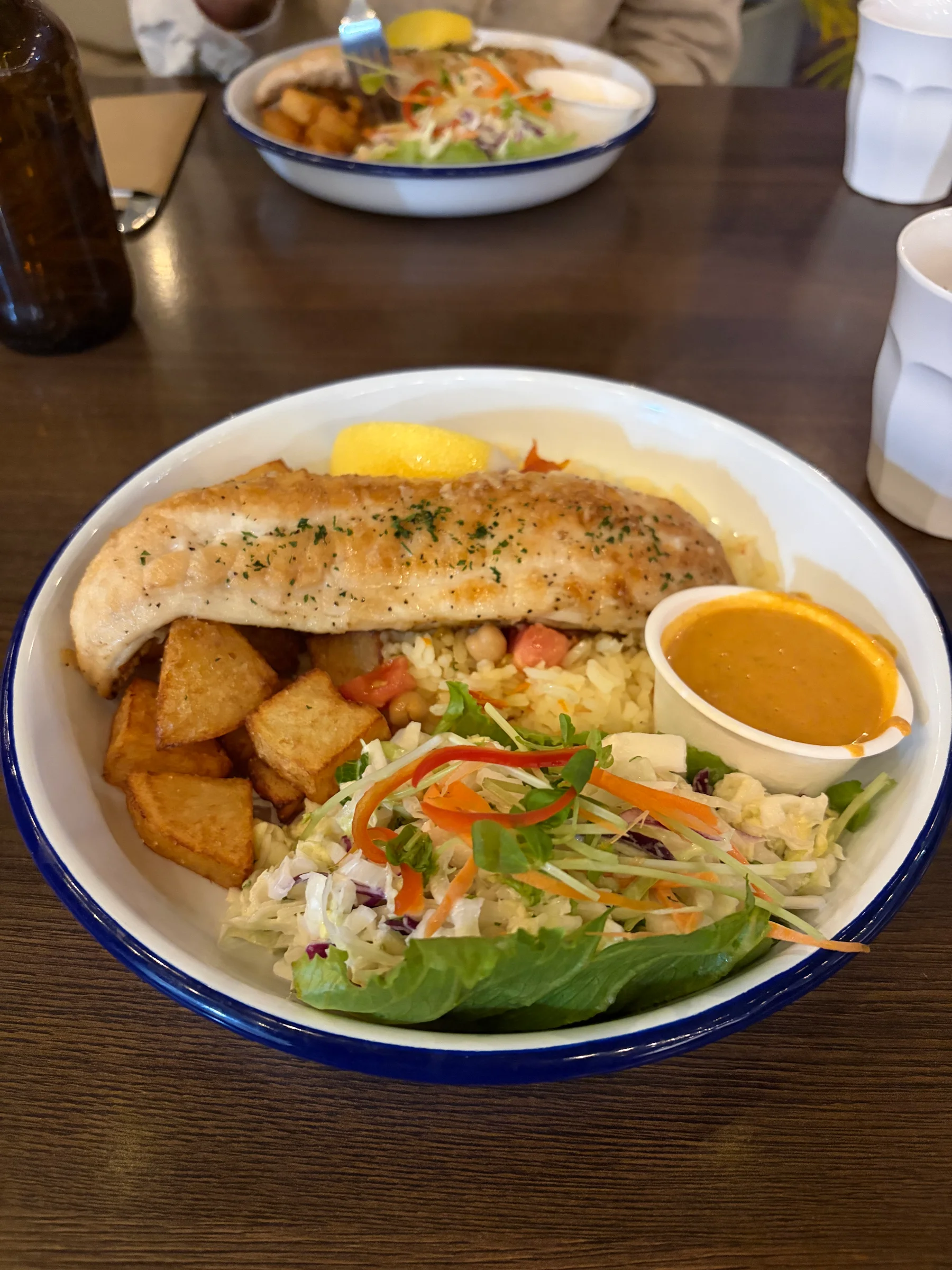
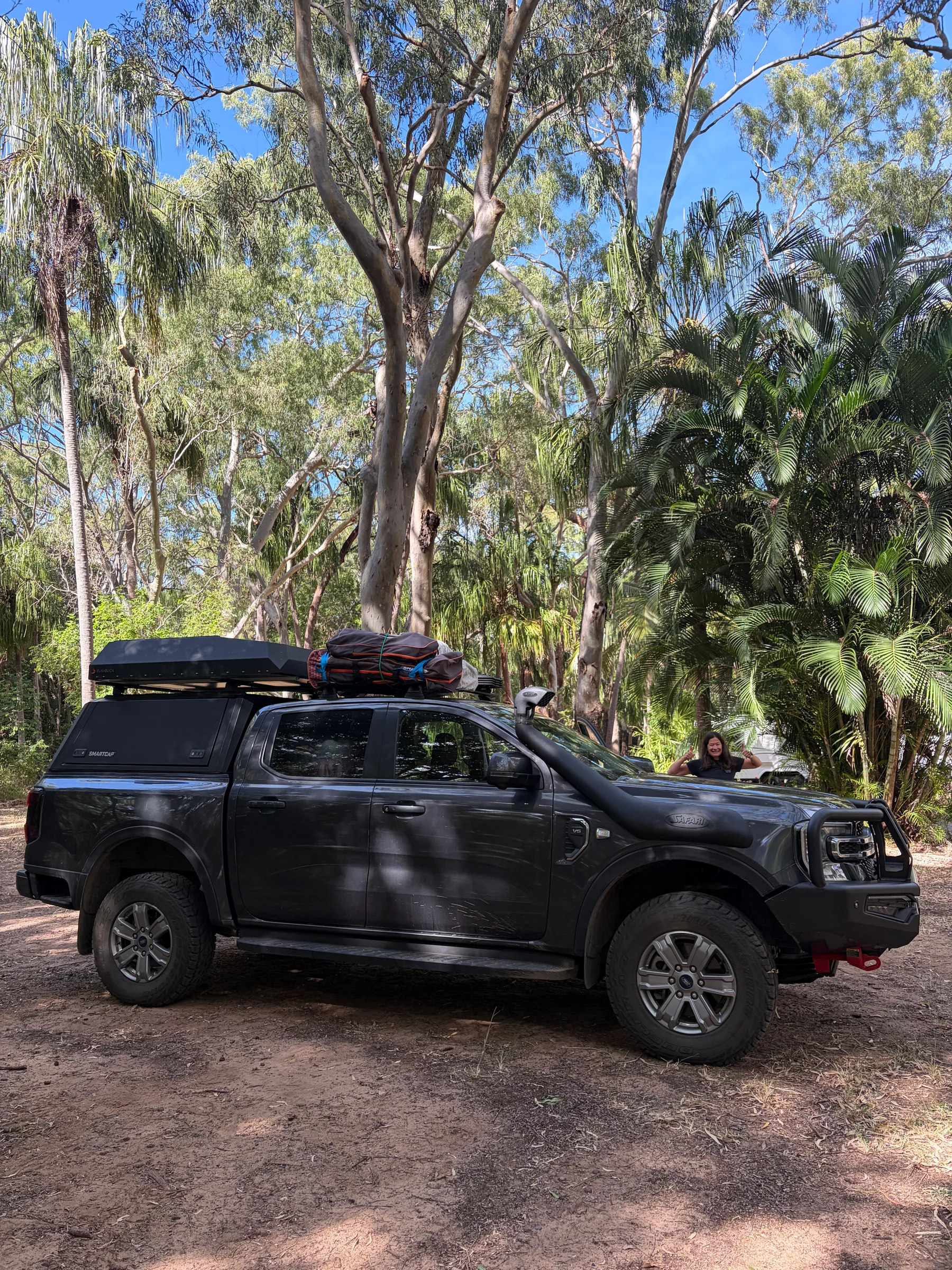
We both really liked the area and would stay longer next time. Little did we know that the sandfly bites of 1770 would stay with us for the next couple of weeks. They still itch while I am writing this.
Smoke in Rocky
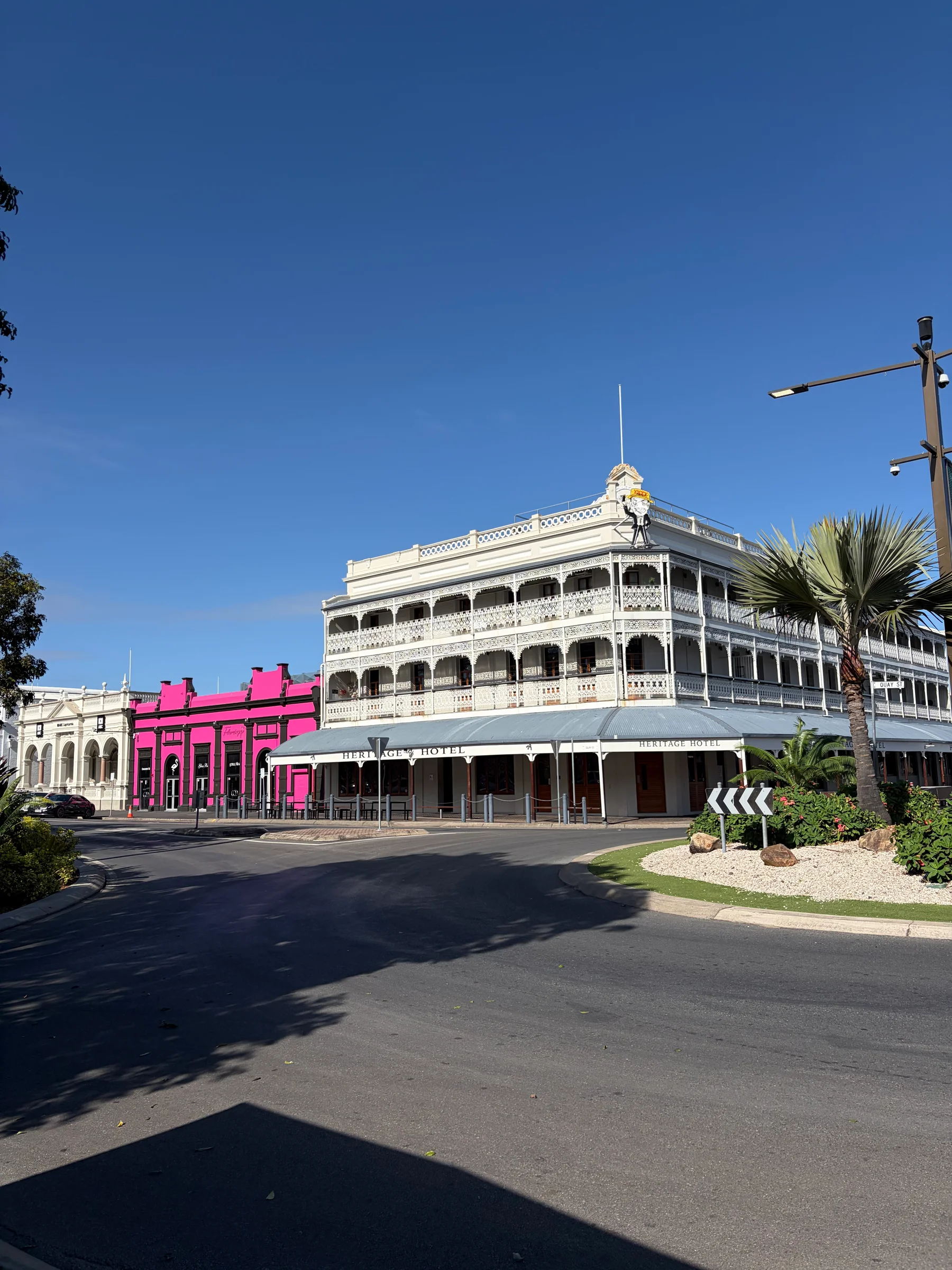
The next day we continued to Rockhampton, or Rocky for its friends.
Rockhampton sits on the Fitzroy River, which is apparently full of crocodiles, and is known as the beef capital of Australia. It has a very different feeling from 1770. More inland, more regional city, more cattle country. We had thought about staying at a free camp in town, but we are only kind of fully self-contained, and after reading a few stories about strange people around some of the free-camp areas in regional towns, we decided to book a caravan park by the river instead.
That was the more comfortable decision.
We had also wanted to watch sunset from Mount Archer, but as soon as we drove into town and stopped at the visitor centre, it was clear that would not happen. There was a lot of smoke in the air. The air quality was poor, and the view would not have been worth it.
I went for a swim at the aquatic centre, but even that was not ideal. Breathing did not feel great. We were already a bit concerned about sleeping in the tent with that much smoke around.
For lunch we went to the botanical gardens. The gardens themselves were beautiful, but the birds were a real test. There were many of them, and walking under the trees came with some risk. There were also hundreds of bats or flying foxes hanging around. It was interesting, but not exactly peaceful.
We later heard that the zoo next to the gardens has free entry. We skipped it. We are not really zoo people and do not like the idea of animals in cages.
That also connected with something we had discussed a few days earlier: how complicated conservation status can be. It is one thing to count how many animals exist across a state or country. It is another thing to ask whether they still have enough connected habitat to survive properly where they belong. Fences, roads and development can split habitat even when the wider numbers still look acceptable. I do not know enough to make a big statement about it, but the problem seems more complex than a simple number on a list.
In the evening we went to the Great Western Hotel because Rocky is beef country and we wanted steak.
There was line dancing on from 6:30 to 8:30. When we arrived around 5:30, the place was almost empty and I doubted many people would come. I was wrong. It filled up, and the line dancing turned into a proper spectacle.
We had a XXXX beer, which was better than expected, and a good steak. The dancing looked very inclusive and friendly. We still found enough excuses not to join.
That night we did not sleep too well. City noise, the smoke, and what felt like hundreds of mosquito or sandfly bites did not help - still thinking of 1770.
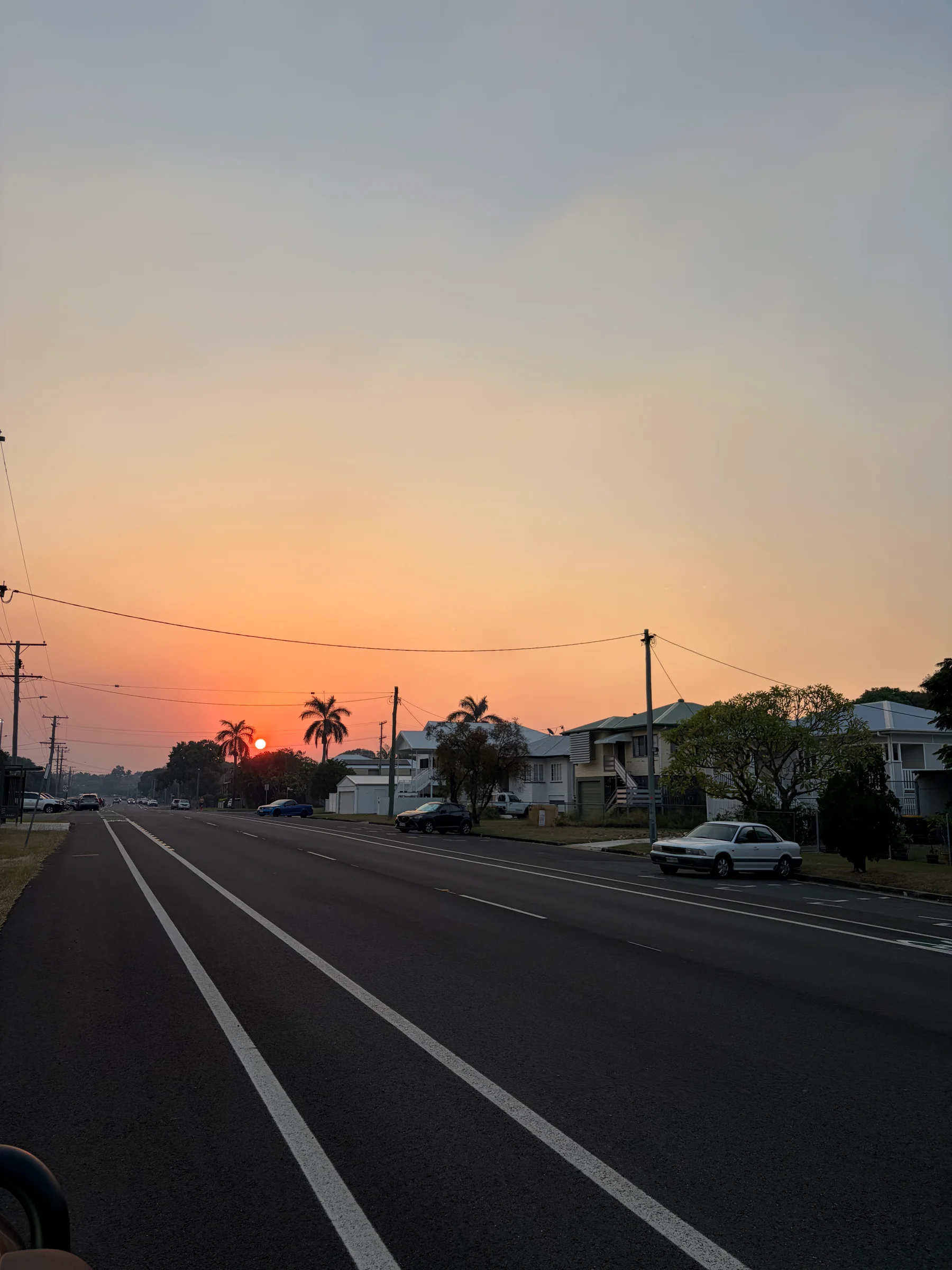
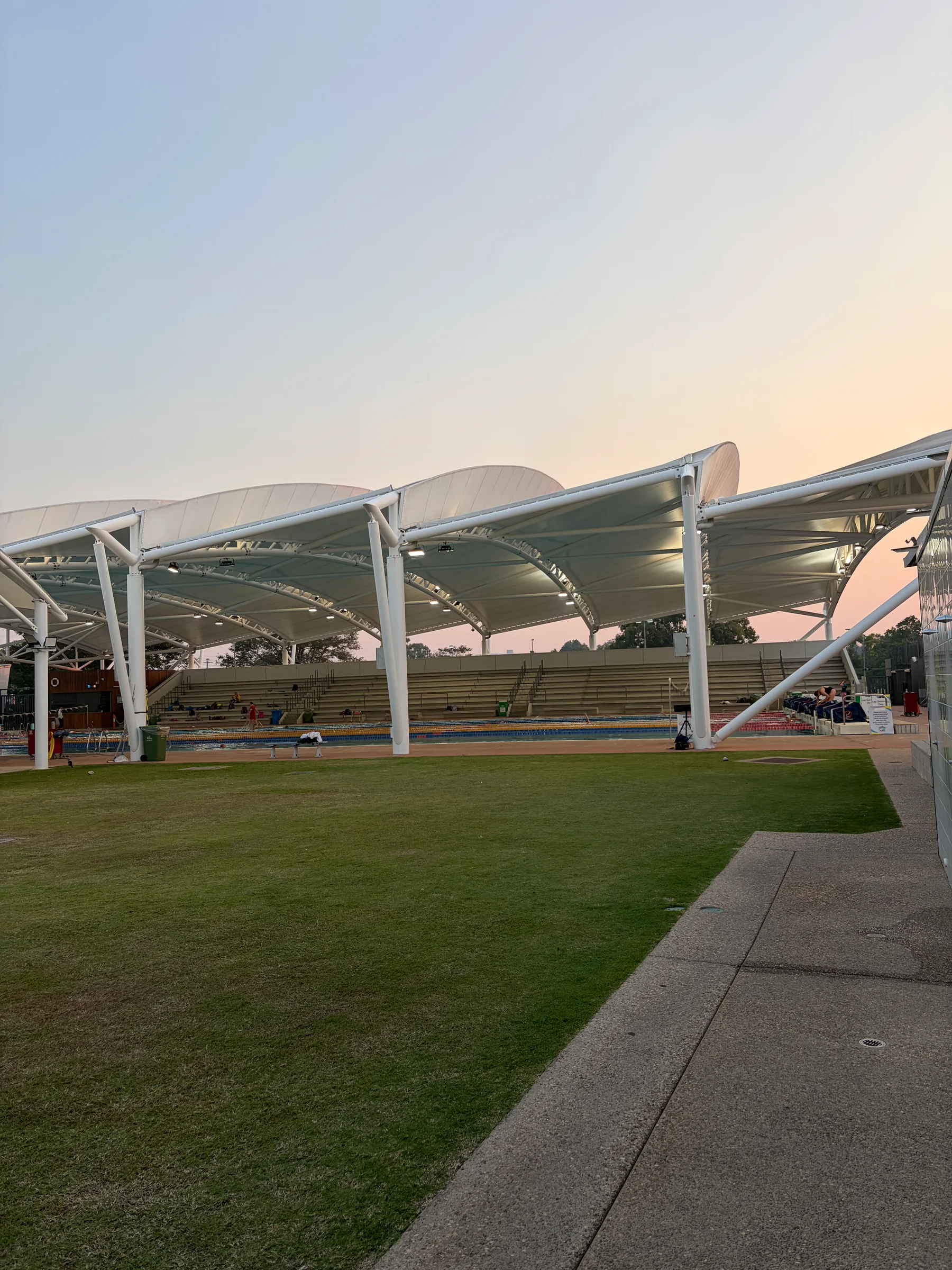
One night in Rocky was enough for us.
Yeppoon and Big Sandy
In the morning the smoke was much better, and we went for a run before leaving. The next target was Byfield National Park, more specifically Five Rocks campground.
We only realised quite late that this day would involve crossing a sand dune - Big Sandy.
That made us a little nervous. We were not keen on getting stuck.
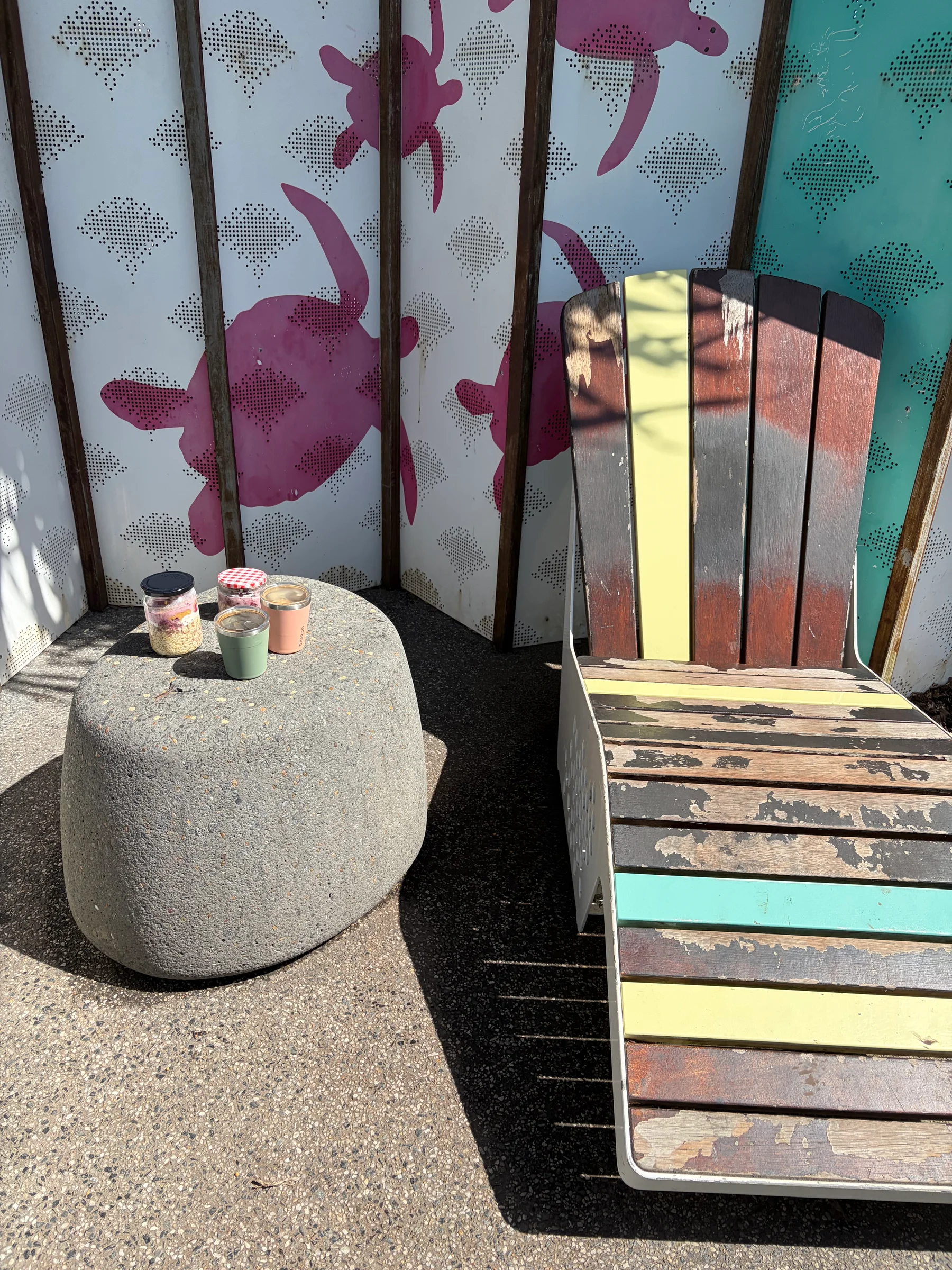
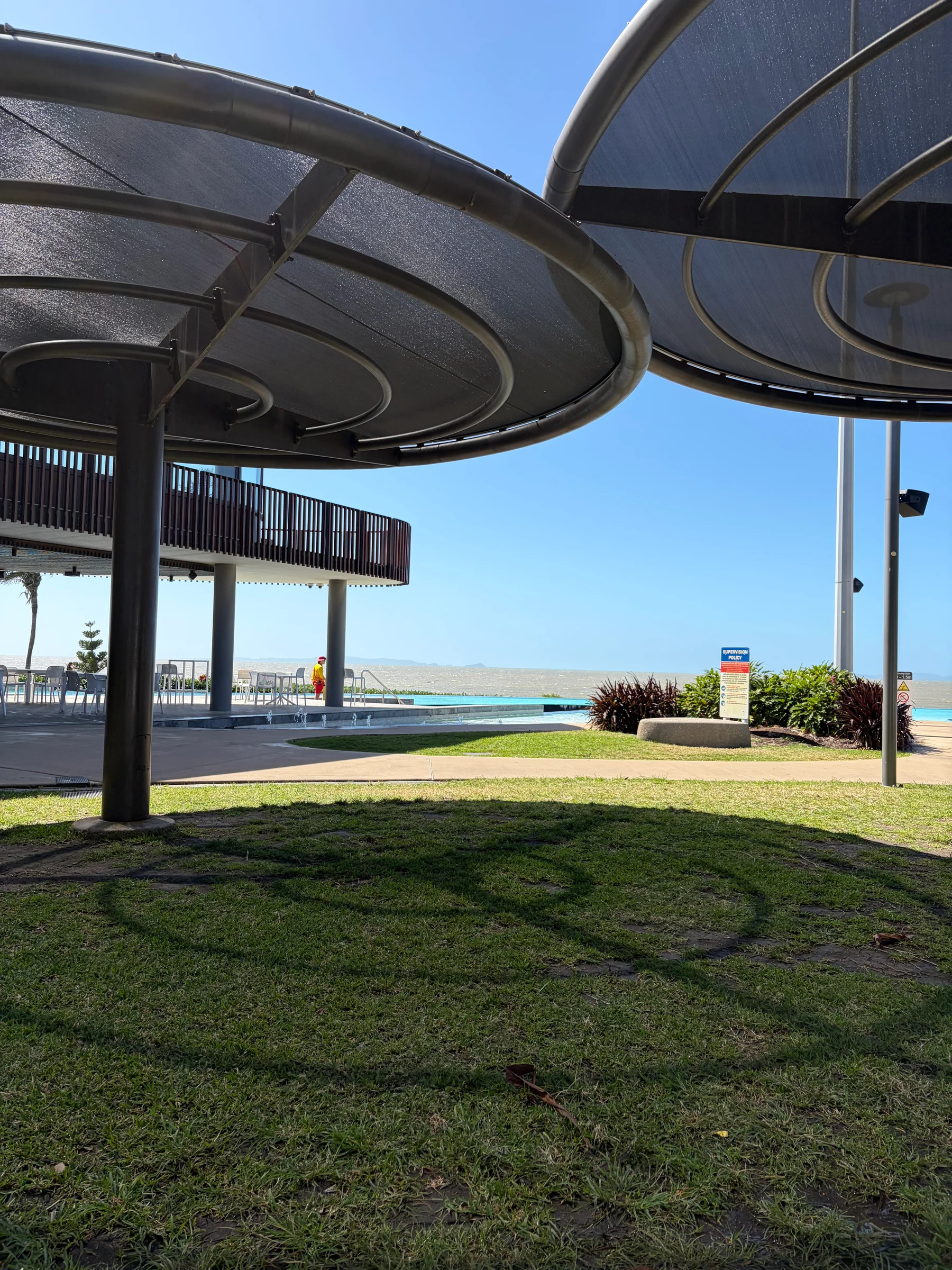
First we stopped in Yeppoon to stock up. We had breakfast near the free swimming lagoon. The volunteers at the information centre were again lovely. They told us crocodiles were possible but very unlikely there, and that box jellyfish are more of a problem with a northerly wind. Whether that is scientifically exact or just local shorthand, I do not know, but it was still useful to hear how people in the area think about it.
Yeppoon made a good impression.
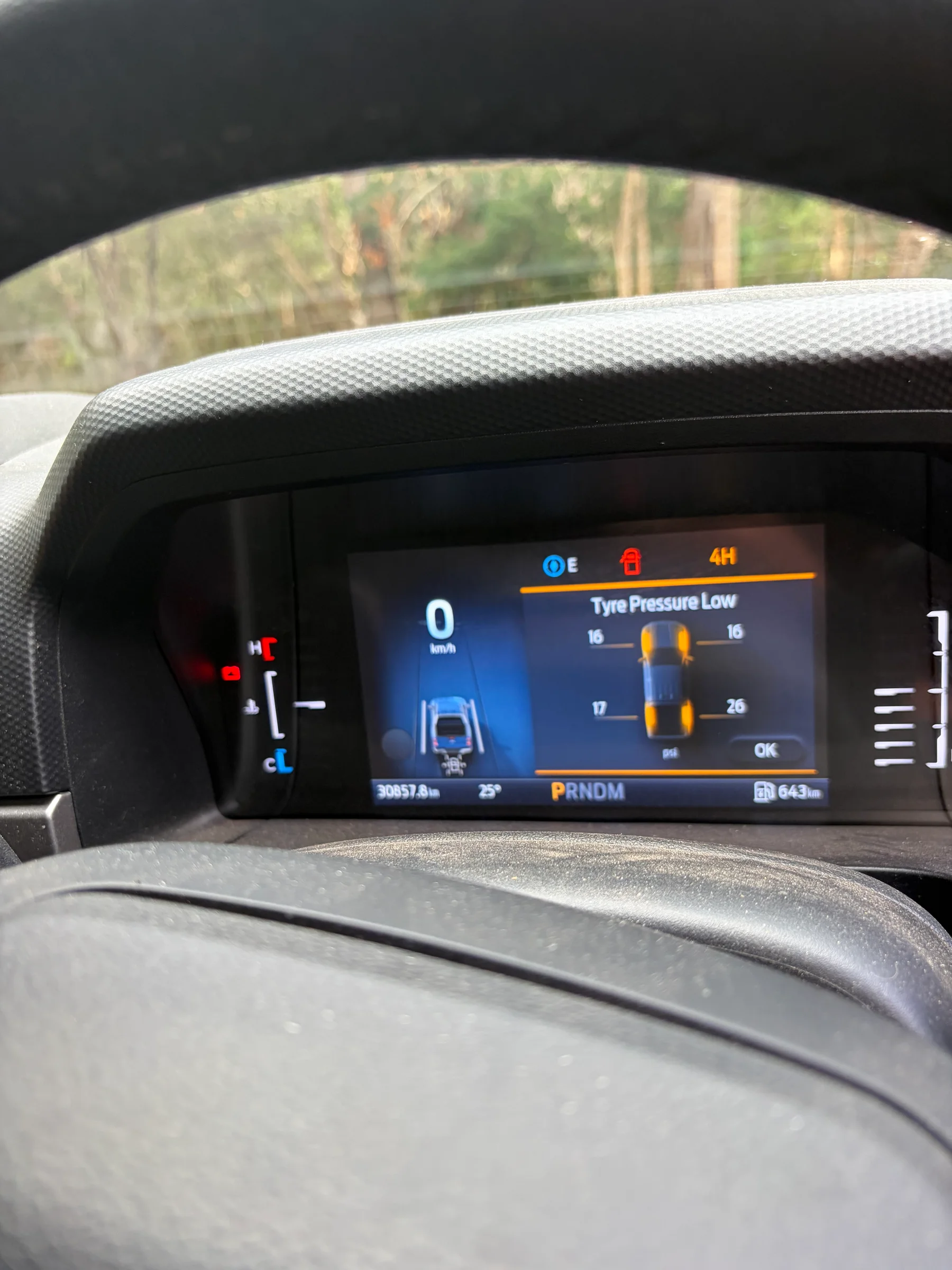
The drive towards Byfield was easy for most of the way. Then the road became more of a 4WD track before reaching Big Sandy. Before the dune there is an area to reduce tyre pressure, so we stopped and went straight down to 16 psi on all tyres.
Then 4L, low range, and up we went.
Big Sandy is roughly a kilometre of uphill driving through loose sand. It is bumpy and it looks more serious before you do it. We were excited enough that we did not even take photos.
Roger handled it extremely well.
Constant throttle, no panic, no drama. We did not feel close to getting stuck. All the preparation, weight discussions, suspension upgrades and tyre-pressure decisions suddenly felt useful. The car just did the job.
Five Rocks
Our campsite at Five Rocks was number 4. Like the other sites there, it was fairly large and sheltered.
We walked down to check out the beach. At low tide there is a huge amount of sand. At high tide, not that much beach is left. The views from the top were spectacular, but when we got down to the beach we were shocked by how much rubbish had washed up there.
It was very sad to see.
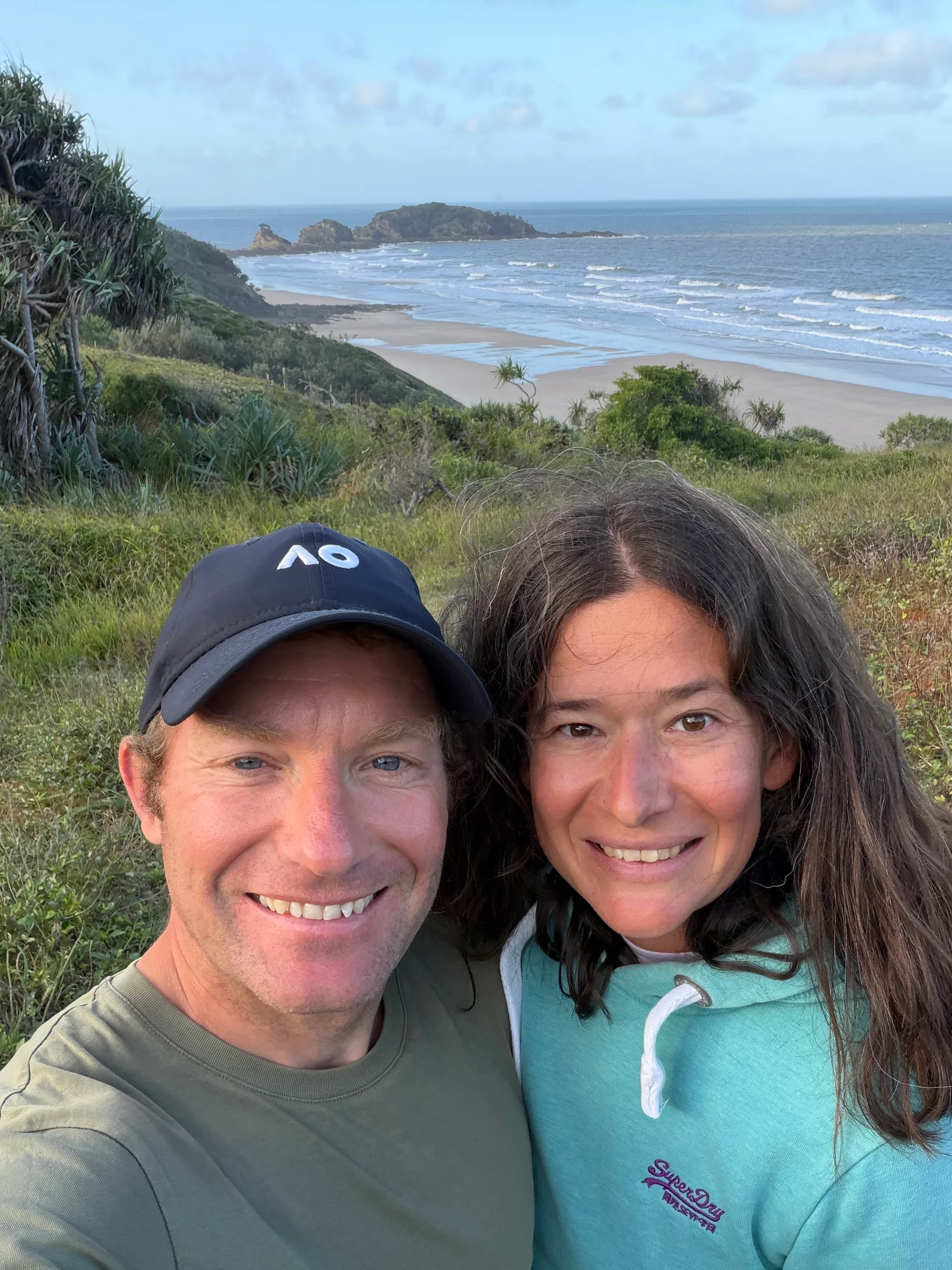
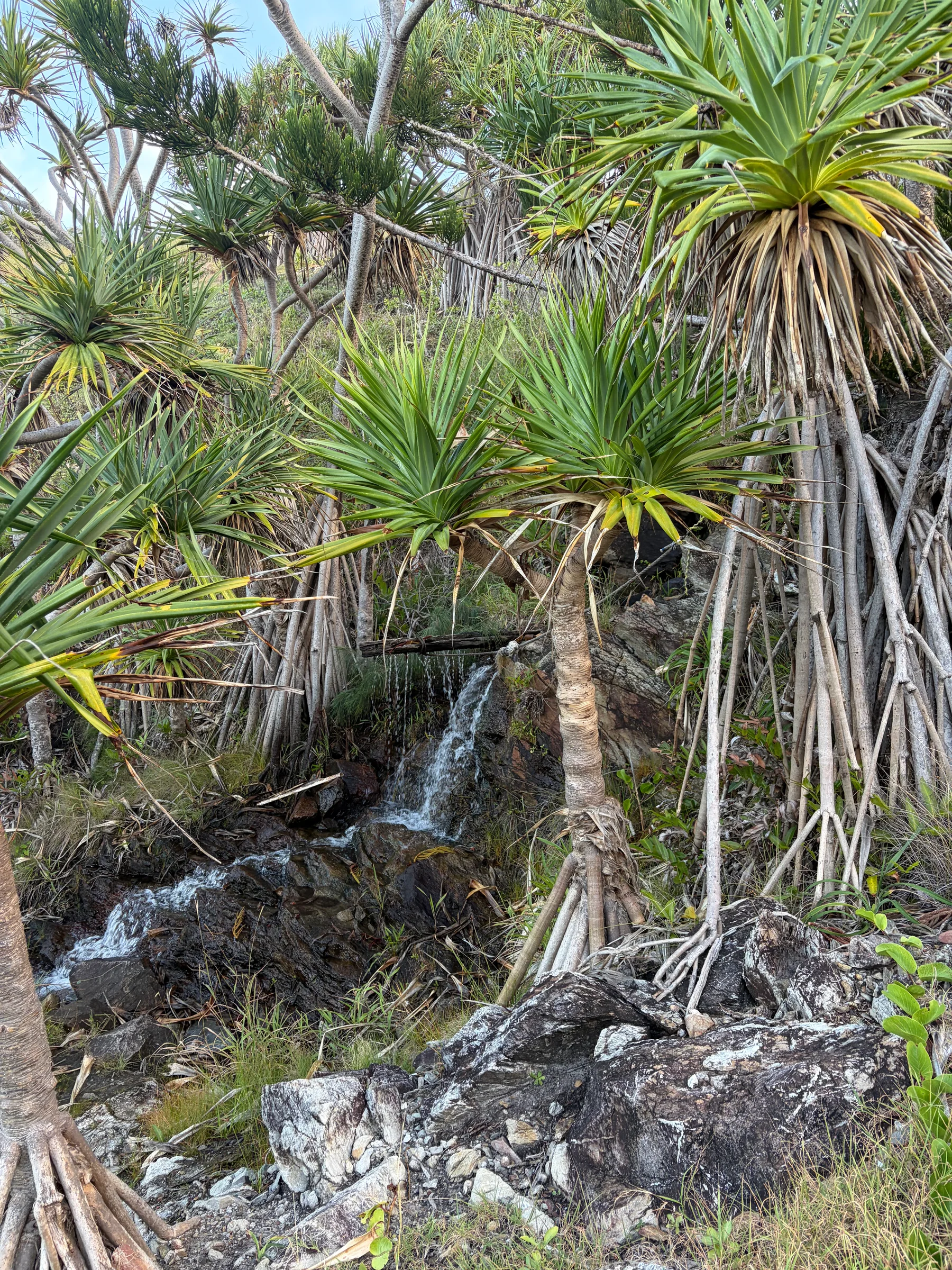
A remote-looking beach can still receive a lot of plastic and waste from somewhere else. It made the place feel less untouched than it first looked from above.
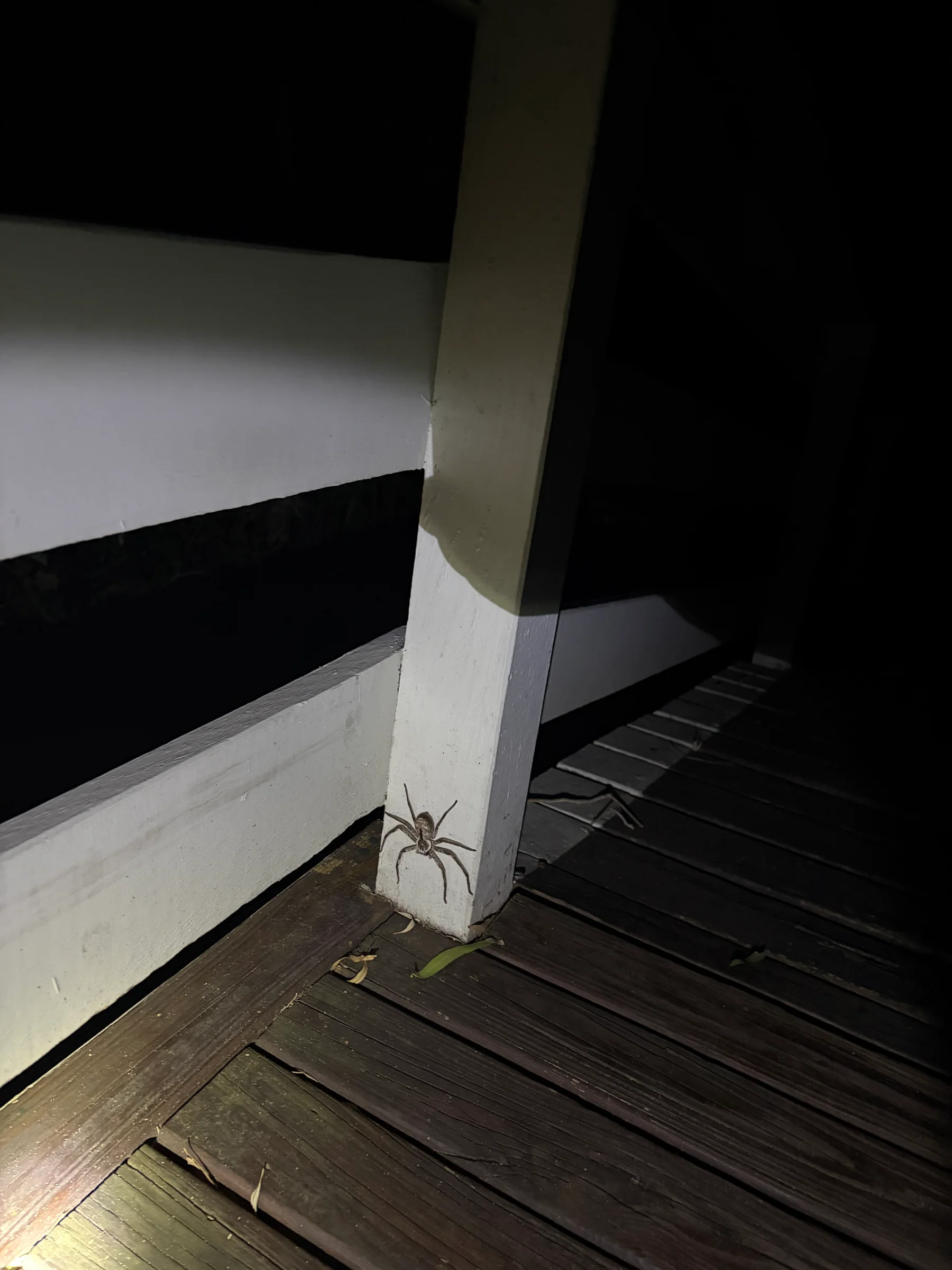
At camp we had a few wildlife encounters. A small black snake, maybe 30 or 40 centimetres, slowly crawled away near the campsite. No drama, but enough to pay attention. Then there was a big spider at the toilet. Hello wildlife.
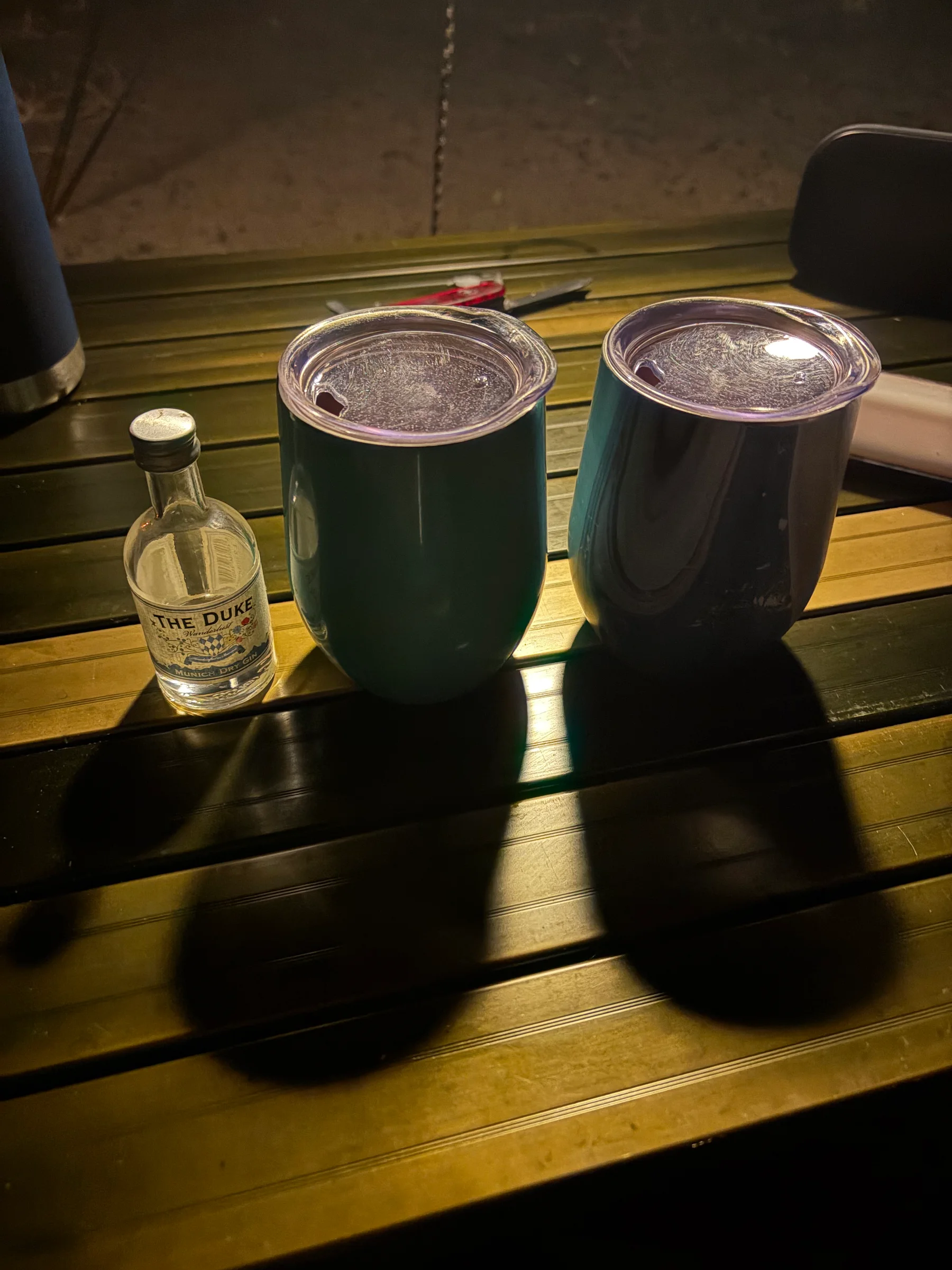
Dinner was chicken satay, which was very good. We also had gin with ginger beer, a combination we were starting to like more and more.
The next morning started with bacon, egg, avocado and Steph’s homemade hot sauce. That is a strong campsite breakfast.
We explored the area a little more. The campground is close to Stockyard Village, which seemed mostly like a collection of holiday homes. We expected a proper hike, but the walk to Stockyard Point lookout was much shorter than planned. A few 4WDs and dirt bikes passed us on the way.
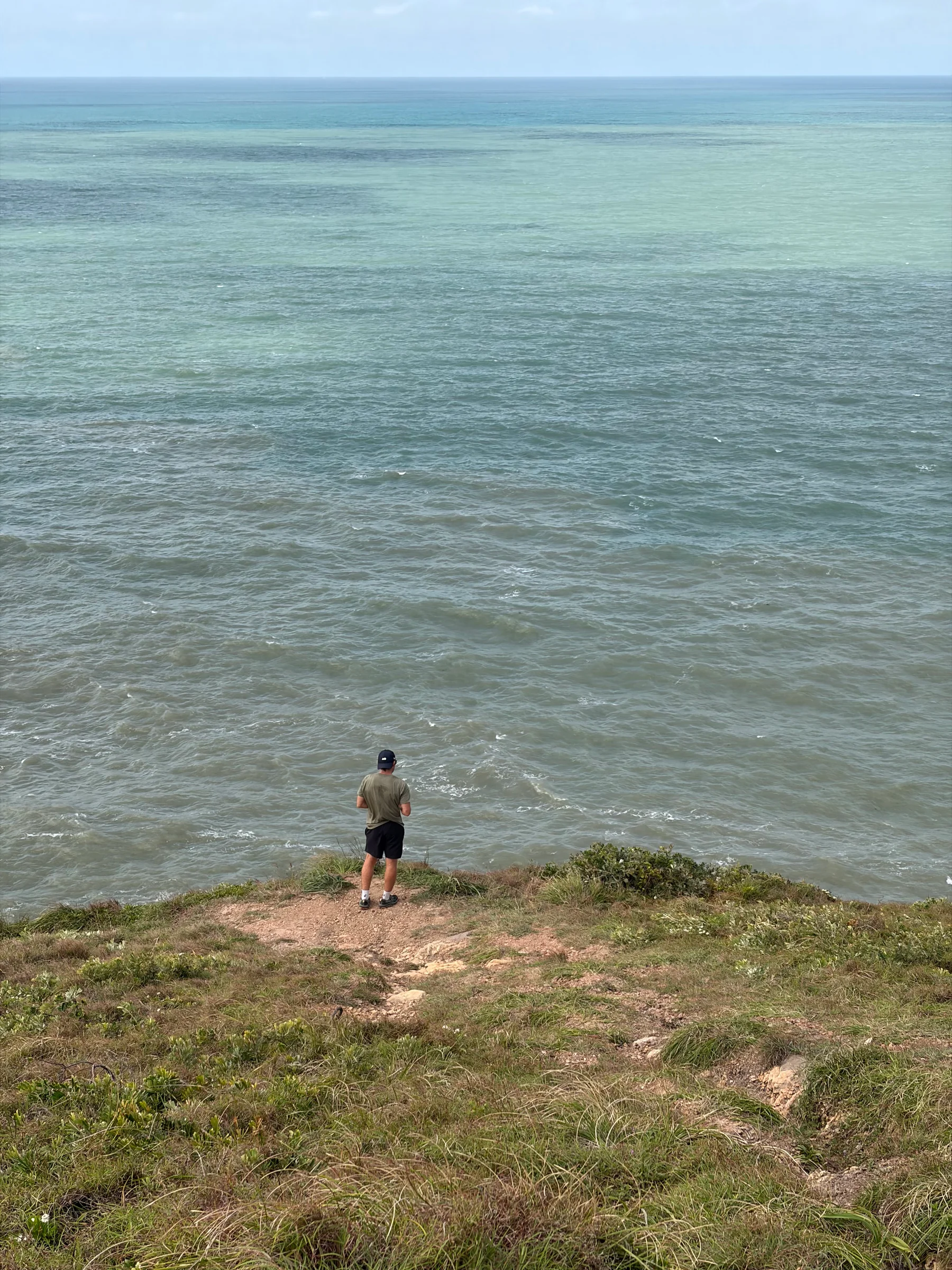
At the point we sent the drone up and saw turtles from the end of the headland. That was a very great moment. We also used the time to plan the next few days.
The rest of the day was mostly camp time. Reading, observing the new neighbours, sorting a few things, doing not very much. Once we had packed things away for the night, it started raining.
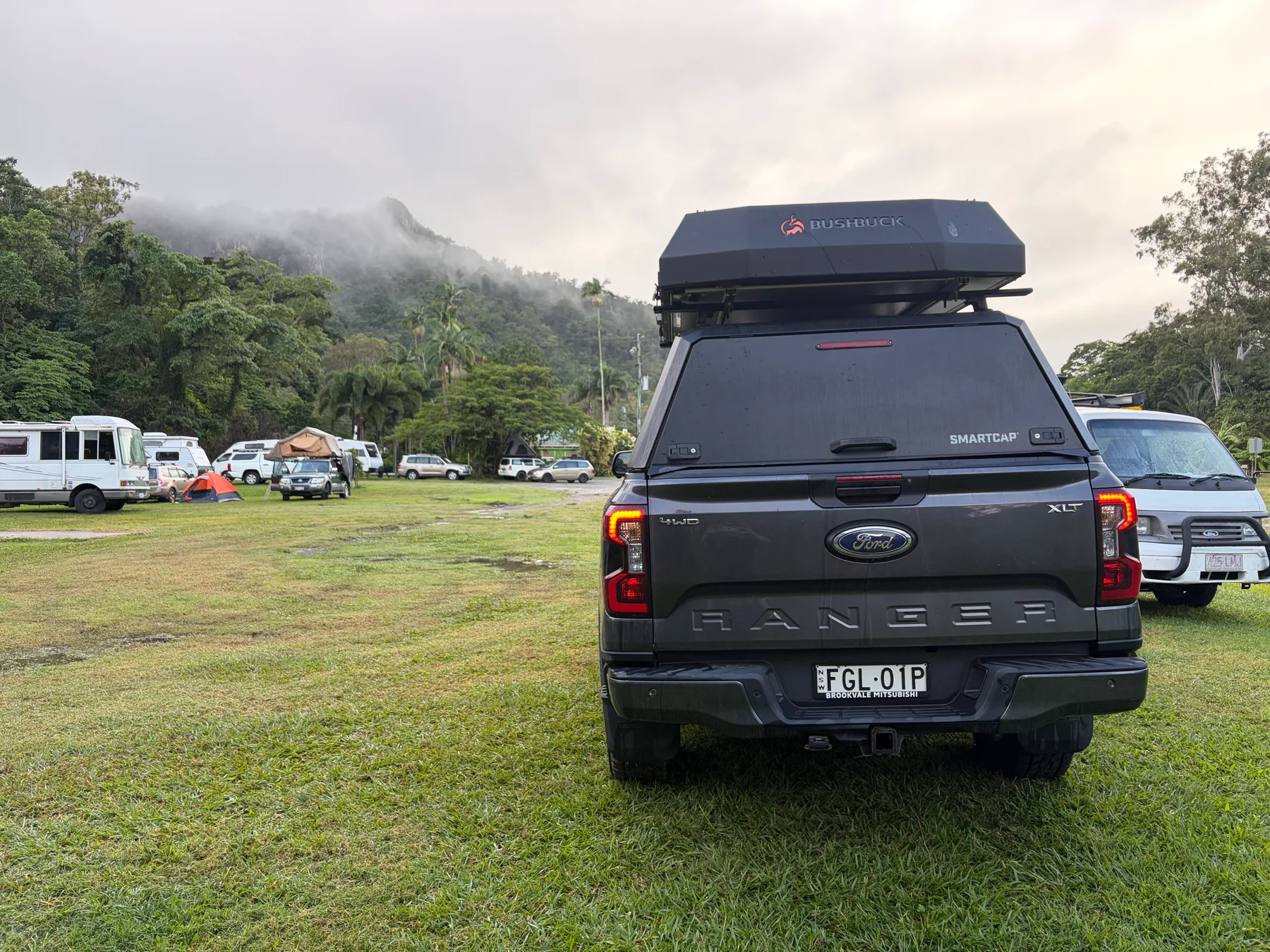
Our tent unfortunately leaks a bit when water builds up. Bushbuck had been supportive and sent us a new outer tent before we left Sydney, but we had not yet changed it. That was now becoming more relevant.
Wet Pack-Up and The Leap
The next morning Steph drove us out of the national park.
It was her first proper sand dune driving experience, and she did a great job. After a rainy night, we managed to use a break in the weather to pack up camp. We drove back over the sand sections, conquered the dune, and then had to inflate the tyres again.
Just as we started doing that, it poured down and I got completely drenched.
Good timing, as usual.
We stopped in Yeppoon for coffee at The Alley. It was fine, but the wait was long enough that we regretted it a little. Then we bought bread and croissants at a French bakery. It was too expensive, but good.
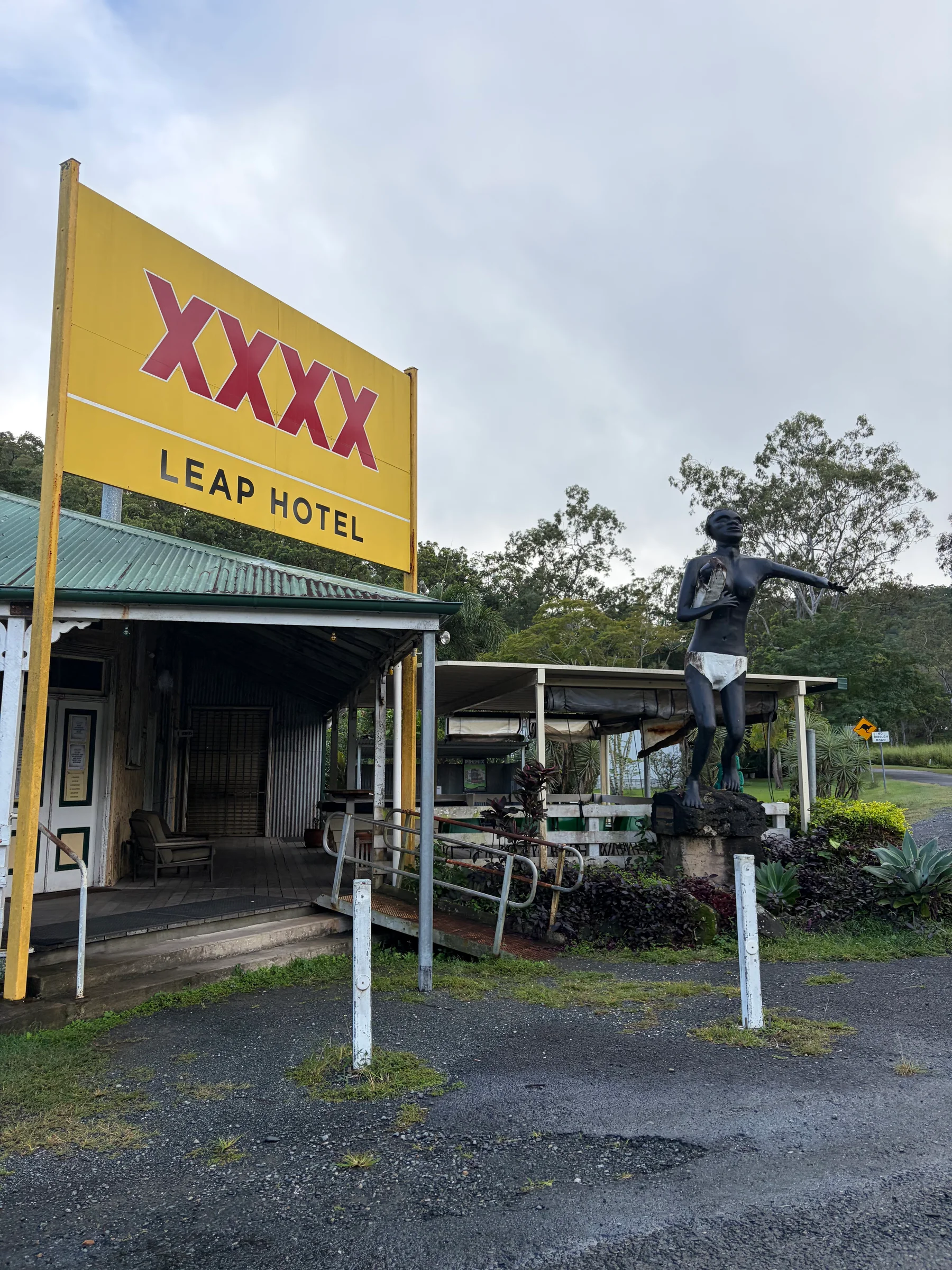
The target for the night was The Leap, a pub campsite near Mackay.
Before that we stocked up in Mackay and made it to another free swimming lagoon just in time. The lagoon is a free public swimming pool, and it was exactly what we needed. By then the mosquito and sandfly bites were becoming a proper issue. We could not count them anymore, and our skin was getting very sensitive. We needed the swim more than we expected.
The Leap campsite had been recommended to us. It is free, next to the highway and next to the pub. You can use the pub toilets and showers, which is helpful.
It rained again.
We did not rate the campsite very highly. It was noisy through the night because of the highway, and the pub food was not worth remembering. The burger was probably one of the worst we had in Australia.
But it was safe, and that mattered. After a wet pack-up, sand driving, tyre inflation in the rain, shopping, insects and another moving day, safe was enough.